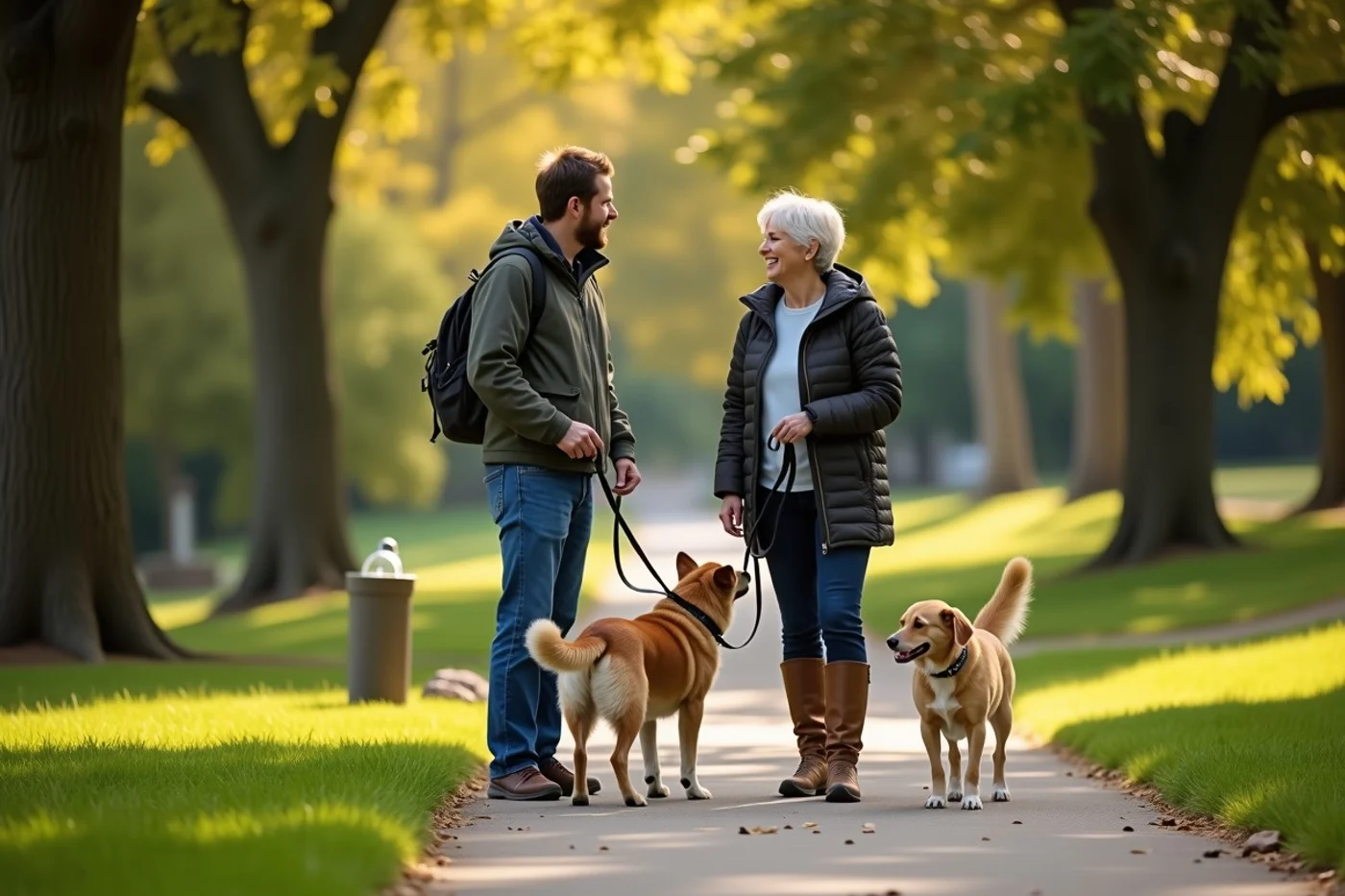
You’re choosing between an easy one-off encounter at a dog park and an activity that puts you around the same people again. To meet pet lovers naturally, favor recurring walks, training classes, shelter volunteer shifts, and pet meetups. The animal supplies a shared subject; it says little on its own about romantic fit. A calm chat after a group walk tells you more than a stranger’s leash and a cute face—human or canine.
Published by Datewise Guide
Pet-centered activities create repeated chances to recognize familiar faces
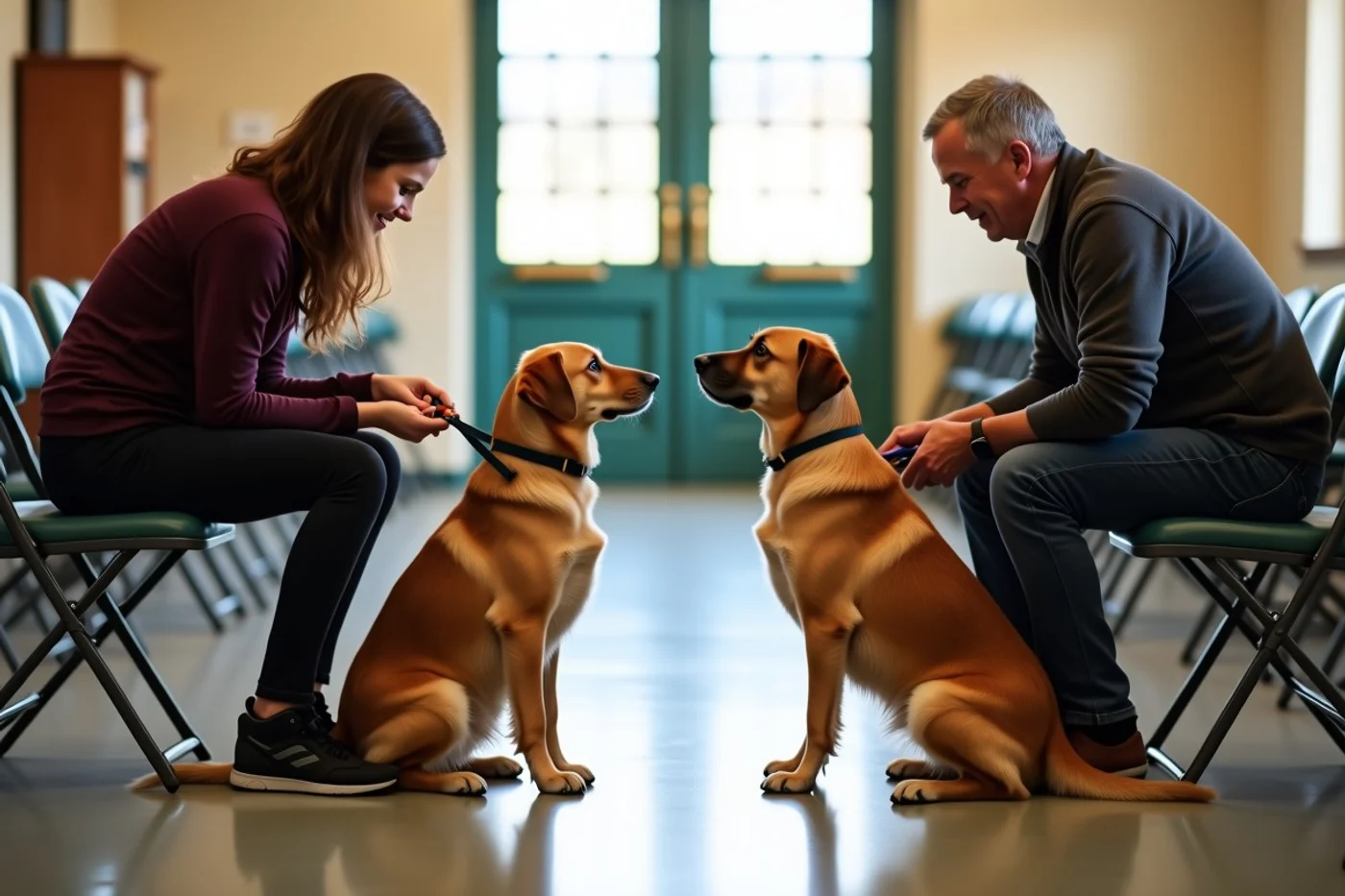
Repeated contact gives a conversation somewhere to go. A weekly neighborhood walk lets people recognize a dog’s habits, exchange local route tips, and continue a topic from last time. Training classes create short breaks before and after instruction. Shelter shifts put people alongside one another over a concrete task. One-off fairs and pop-up events are pleasant, but a recurring activity is where familiarity develops without anyone needing to manufacture a reason to speak.
A good setting depends on whether you want activity, service, or conversation
Dog parks suit short, unscheduled exchanges while dogs are settled and supervised. Training classes ask for a regular time commitment and produce a clear shared task. Rescue volunteering centers on work, which leaves less room for aimless socializing. Adoption events generate brief conversations, though staff and prospective adopters need attention.
Organized pet meetups create more adult mingling, while pet-friendly cafés, patios, or trivia nights work best when the venue has a stated social event. Pick service when caring for animals matters most, a class for repeat contact, and a meetup for direct conversation.
When the dog walk becomes an actual conversation
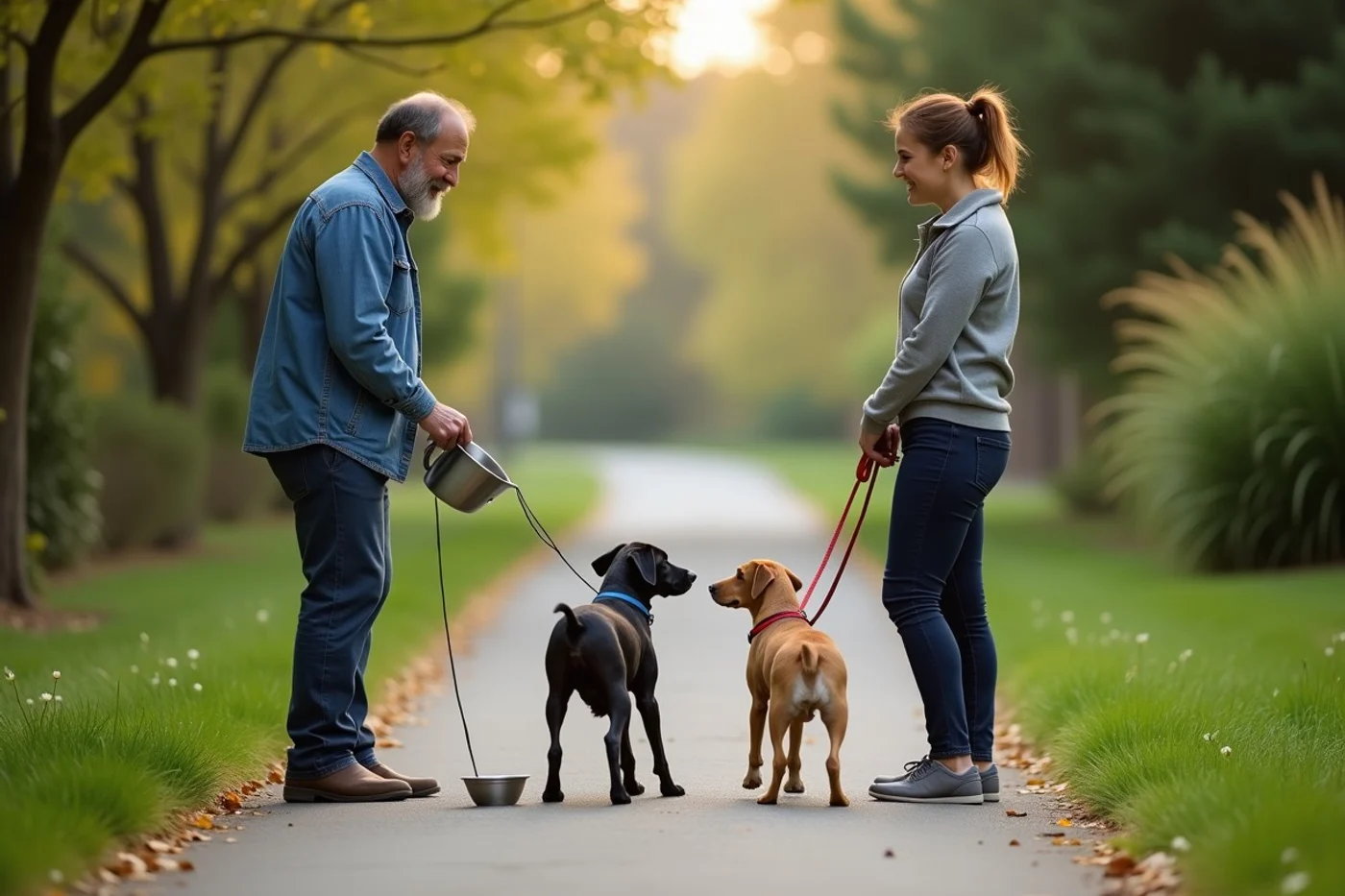
Picture a Saturday group walk. Someone has stopped to refill a water bowl while two dogs greet each other. Wait until both owners have space and the dogs have separated or settled. Then start with an observation that invites information: the route they chose, an activity their dog enjoys, or a training skill you noticed. Skip questions that pry into how they acquired the animal or why it reacts a certain way.
Timing carries most of the etiquette. Don’t start a conversation while someone is feeding, picking up after a pet, giving a cue, managing a tense greeting, or speaking with an event organizer. A brief exchange can continue as the group walks. When it doesn’t, let the person turn back to their animal. Dogs do not serve as tiny wingmen on command.
Boundaries around pets, owners, and invitations
Ask before touching or offering a treat to an animal. Some owners are working on training, and some animals need distance; an unfamiliar dog does not owe anyone a social moment. The same care applies to people with allergies, fear of animals, or a preference for a pet-free coffee. Don’t assume a shared interest means matching schedules, budgets, or care styles. After a group conversation has moved beyond pet logistics, a single low-pressure invitation to coffee or a walk without animals is appropriate. A decline needs no debate.
Questions that often come up
Do I need a pet to join pet-centered activities?
No. Volunteer shifts, adoption-event support, and some meetups welcome adults who care about animals without owning one. State that openly. Borrowing a dog solely to enter a social circle is a poor opening move.
Should a pet join a first date?
Leave pets out of a first date unless both people already know the animal’s routine and agree. A dog can consume the attention needed for conversation, and a neutral public venue keeps the meeting simple.
How much pet detail belongs in a dating profile?
Mention a pet when it affects your weekend routine or household plans. One current photo and one specific detail, such as fostering or morning trail walks, give someone a genuine opening. Pet ownership is not a character certificate.
A pet gives strangers an immediate topic, but the stronger connection comes from the way someone treats time, responsibility, and another person’s attention. Choose a setting you would attend even if romance never entered the picture. That standard steers you toward activities with substance and away from turning an adoption event or crowded dog run into a personal casting call.