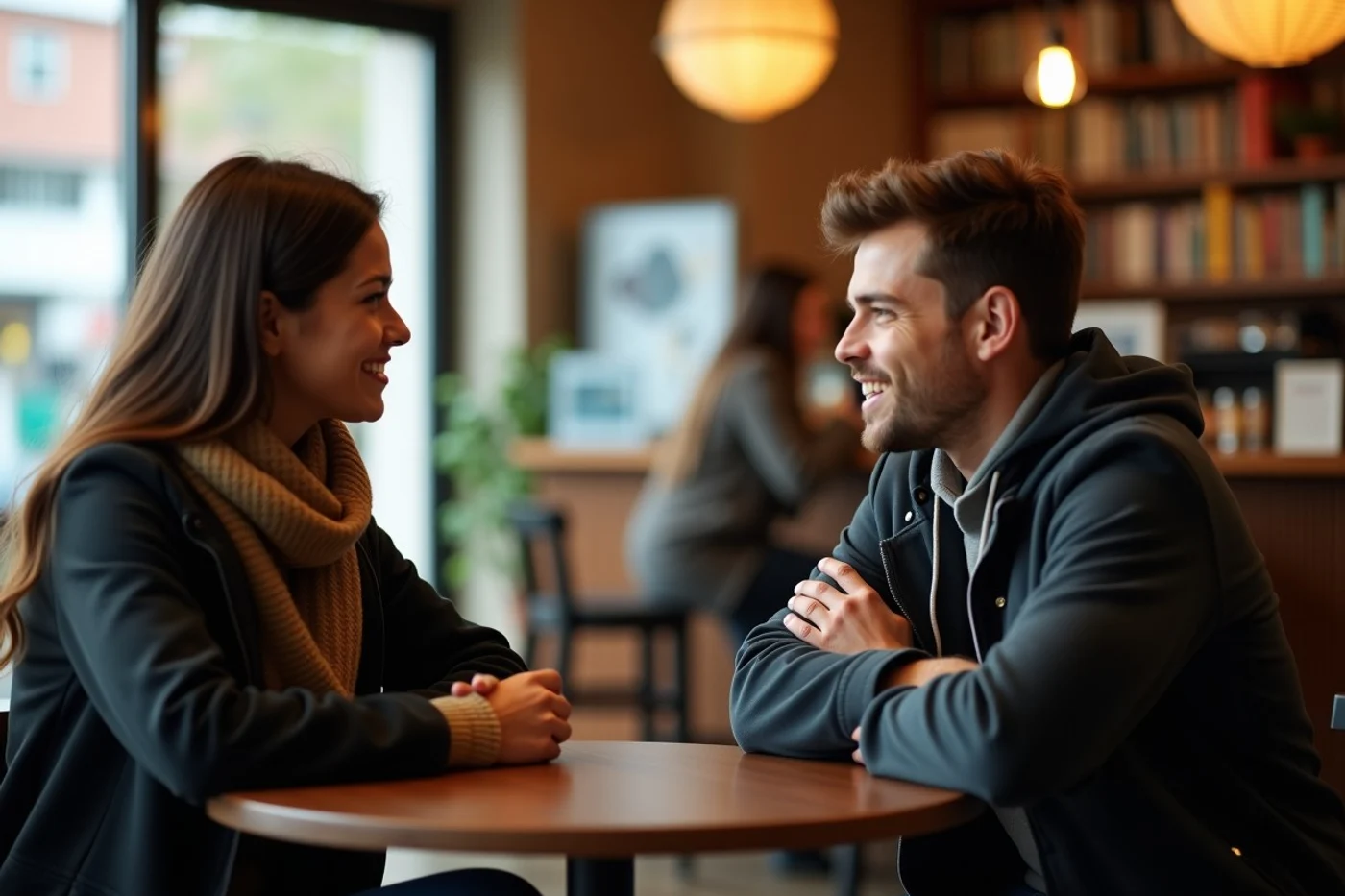
You match with someone promising, and they ask for your phone number after a few messages. Share general details early, but keep your exact location, workplace identifiers, routines, account access, and identity documents private until trust develops.
Published by Datewise Guide
Privacy risks begin with ordinary profile details
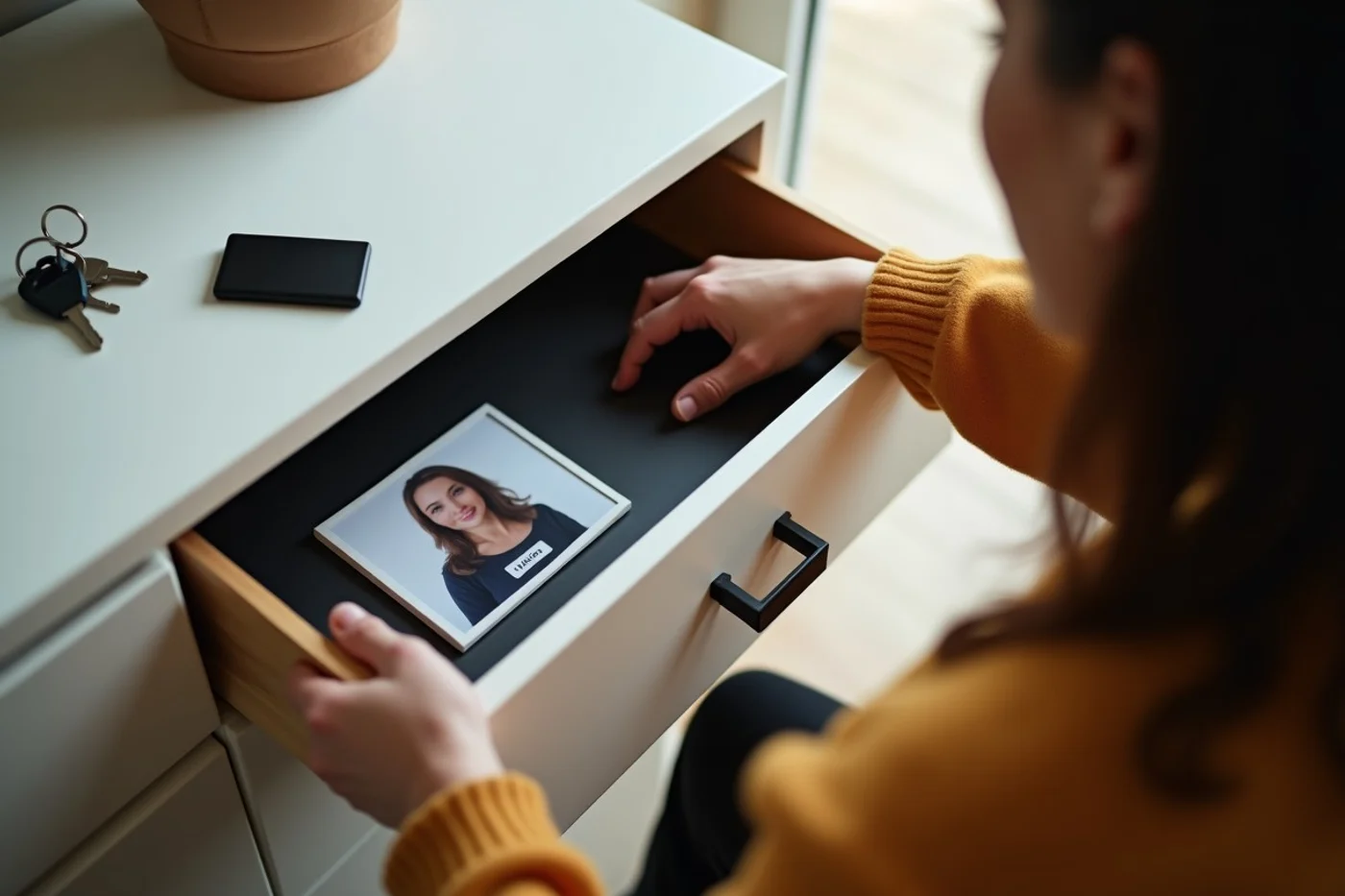
A first name, neighborhood, employer, favorite café, weekly schedule, username, and a few recognizable photos can combine into a detailed identifying picture. One clue may say little; several can point to a home, workplace, social account, or routine. Reused usernames can link dating activity to older public posts. Photos may reveal street signs, house numbers, work badges, children’s schools, and vehicle plates. Original image files may also contain location metadata, so check the file before uploading and remove identifying details from the frame.
Which clues make a person easier to locate?
Repeated location details need extra care. Naming the same gym, coffee shop, office district, and dog park gives someone several points to connect. An employer reference reveals more when paired with a job title, shift schedule, or photo outside the building. School names, team affiliations, professional events, and local landmarks narrow a search further. A view through a window can reveal a street, apartment complex, or distinctive property detail without seeming intentional.
Predictable routines create a similar problem. Posting that you run at the same trail every Tuesday morning, work late every Thursday, or spend weekends at a particular venue tells a stranger where you are likely to be. Vehicle plates, transit passes, mail, work uniforms, and access badges belong out of profile photos. Broad descriptions preserve conversation; exact addresses, routes, and recurring time-and-place combinations expose more than a new match needs to know.
Before moving from the app to another channel
Pause before sharing a phone number, personal email address, or social-media account. Ask what the new channel reveals about your full name, workplace, old posts, family connections, photos, and other contact details. A phone number can connect to caller-ID records or other accounts; an email address can expose a real name or professional profile. A social account often carries years of public information that a dating profile does not.
Keep the conversation on the dating service while deciding whether to continue. If you move elsewhere, use an account that does not reveal your main identity or unrelated personal history, and review who can see it first. Give broad times for meeting plans; keep work shifts, your home address, and a predictable daily schedule private.
Information-sharing boundaries

Low-risk public details include broad interests, general dating intentions, favorite types of food, and a wide geographic area. Conversation-stage details require more judgment: your industry, the part of town you enjoy, family structure, travel plans, or the times you are usually free. Share these at a level that supports conversation without identifying your home, employer, relatives, or routine.
Leave exact addresses, employer names and building details, personal contact information, financial information, passwords, login codes, government identification, and private account details out of early conversations. The same rule applies to live location sharing, a photo of a work badge, and a calendar showing where you will be. Trust grows through conduct, but disclose information by choice—not urgency or repeated requests.
What can privacy guidance confirm—and what cannot it confirm?
Steps that limit what a stranger can assemble from your profile and accounts reduce exposure. They cannot verify another person’s identity, intentions, honesty, platform security, or future behavior. A video call shows that someone controls the account at that moment; a profile verification label, when offered, reflects only the service’s stated checking process. Reverse-image searches can reveal reused or publicly posted images, but a clean result cannot establish that a profile is genuine. Each check has limits, so keep control of your own information.
Public visibility or controlled disclosure?
Using a real name, linking a social profile, and posting highly public photos can speed recognition and give matches more context. They also make it easier to connect dating activity with your workplace, relatives, older posts, and other accounts. Exact locations improve local relevance only slightly while sharply narrowing where someone can find you. Off-platform contact offers convenience, but it removes some of the separation between dating activity and your everyday identity.
Early on, limit what you disclose: use broad location language, review backgrounds and image metadata, avoid linked accounts, and postpone personal contact details until the exchange has earned that access. Convenience has limits; it is not worth exposing your home, schedule, or entire online history to someone you barely know.
Online dating safety depends on limiting links between your profile and the rest of your life. Share enough for genuine conversation, then give more detail deliberately as trust develops. Keep exact locations, routines, account access, and identity documents protected during the early stages.