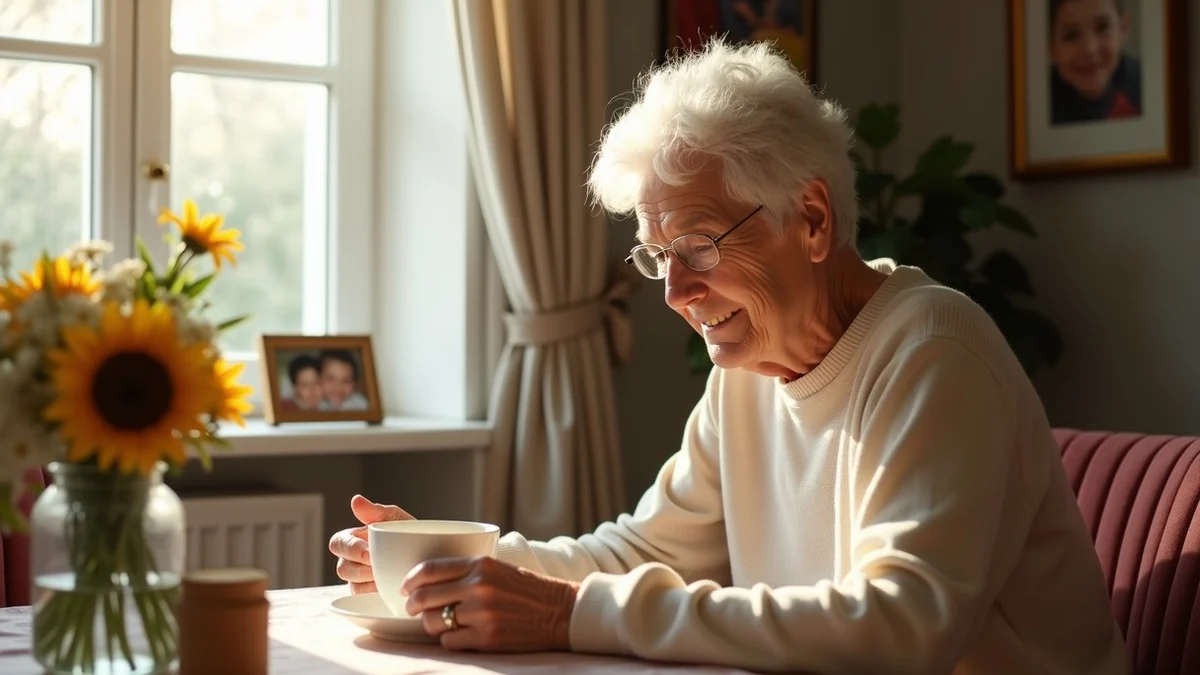
Adult children, family commitments, and established household routines can shape dating after 70, even when the dating decision belongs entirely to you. Approach online dating with a clear idea of the connection you want, the family details you’ll share, the time you have available, and the pace that feels comfortable. That clarity prevents family opinions or scheduling conflicts from steering the relationship for you.
Published by Datewise Guide
What does family involvement mean at this stage?

Your adult children can offer opinions, but they don’t become decision-makers in your dating life. Their concerns deserve a respectful hearing; your choice of companionship remains yours. Family introductions also deserve their own timing. A new match doesn’t need immediate access to your children, relatives, home, or household routines.
Established responsibilities affect availability in practical ways. A regular visit, family gathering, caregiving commitment, or shared household arrangement belongs on your calendar before you accept a date. State those commitments plainly, without presenting them as an apology or asking a new partner to negotiate your family’s schedule.
Which family questions belong in early conversation?
Early conversation needs enough family context to prevent false assumptions. Discuss whether you have adult children, how often you see family, and which regular commitments shape your week. Broad information is sufficient at first. Names, addresses, private family conflicts, and detailed personal histories can wait until trust develops.
As interest becomes mutual, discuss independence more directly. A potential partner needs to understand whether you live alone, share a home, expect frequent family involvement, or carry ongoing caregiving responsibilities. The useful question concerns daily life: how much time and energy do you realistically have for dating?
Later, talk about the role a partner might hold. That could mean occasional family gatherings, a separate household, shared travel, friendship-first companionship, or a committed relationship with substantial independence. Discussing these possibilities before a relationship becomes serious keeps one person from assuming that dating automatically includes a new family position.
A later-life dating profile can be direct without being defensive

A profile for a single parent over 70 should describe the life you live now, not provide a complete family history. Mention the kind of companionship you seek, the activities you enjoy, the importance of family, and the pace that suits you. A brief statement that family matters while your dating decisions remain personal communicates both warmth and independence. Details about adult children, former relationships, or caregiving responsibilities belong in later conversation when they affect compatibility. Keep the wording factual and forward-looking: describe available time, preferred relationship pace, and the place a partner might have in your life without sounding as if an applicant must pass a family review.
Family and availability boundaries
Share broad facts early and protect relatives’ private information. Avoid posting family members’ names, workplaces, addresses, health details, or personal problems in a profile or early chat. Explain your own commitments in enough detail for scheduling; leave other people’s stories out.
Personal decisions belong to the people dating. Adult children don’t need to approve every message, and a new partner doesn’t need authority over family contact, household arrangements, or private conversations. Introduce relatives when the relationship has earned that step.
When routines include family responsibilities
Put recurring family responsibilities on the calendar before starting regular calls or dates. A standing weekly commitment may leave two evenings for conversation and one weekend afternoon for meeting. Share those windows clearly, then keep them; reliable availability says more than constant access.
A delayed reply during a family visit or caregiving task needs a simple explanation, not repeated apologies. Arrange the next call or date when you’re free. Someone who respects your established responsibilities is better suited to a later-life relationship than someone who treats every interruption as rejection.
Before you move on
How should dating change after bereavement or divorce?
Give yourself room to identify what you miss, what you want now, and which parts of a former relationship you don’t want to recreate. A new connection doesn’t need to resemble the old one, and you don’t need to hide your history.
Is friendship-first companionship a reasonable aim after 70?
Yes. State that preference clearly so the other person understands that companionship, conversation, and shared activities matter before romantic commitment. Friendship-first dating still requires honest availability and clear personal boundaries.
How should blended-family expectations be discussed?
Talk about practical involvement before making promises: family gatherings, holidays, travel, living arrangements, and the amount of time each person spends with relatives. Keep the discussion focused on future logistics, not judgments about whose family is closer.
Dating after 70 works best when companionship fits your actual life. Keep family relationships private, make your own decisions, and describe your schedule and expectations early enough for a prospective partner to choose the same level of involvement.