
Choose what your profile says about your life now, then remove the details that belong to an earlier chapter. A strong dating profile after 50 shows your current routines, the kind of connection you welcome, and one or two real points of entry for conversation. Age supplies context; it should not carry the whole introduction.
Published by Datewise Guide
A strong over-50 profile describes the present

Begin with the life someone would actually join: your Saturday routine, interests that fill a real week, values that guide your choices, and people or activities that matter to you. Details give readers something solid to picture. Saying you enjoy cooking says little; mentioning a new soup recipe on a quiet Sunday and occasional dinners with friends shows how you spend time.
A hypothetical profile writer may have spent decades known chiefly as a parent, spouse, manager, caregiver, or traveler. Those facts can matter, but they should not become the whole portrait. Let readers meet the person taking morning walks now, following a local team, volunteering, gardening, reading history, hosting family meals, or seeking company for museums and weekend drives. Present-tense details show an active life that can include a new connection.
Keep the tone matter-of-fact. Skip claims about being young at heart, refusing to act your age, or defending dating at this stage. Those familiar lines flatten someone into an age category. Clear details do better work.
When photos and details no longer reflect daily life
An old profile often lingers after work changes, a move, a divorce, widowhood, grown children leaving home, or a shift in what companionship means to you. Update it when the words describe a job you no longer hold, hobbies you no longer practice, or a relationship direction that no longer fits. A profile built around a long-ago beach trip or a former title leaves a stranger guessing about your actual day-to-day life.
Use recent photos that show your current appearance in everyday, well-lit settings. Include a clear face photo and pictures connected to an activity or setting you enjoy. Skip heavily filtered images, group shots that create a guessing game, and a gallery limited to celebrations from years ago. Apply the same standard to written details: current beats impressive.
Profile ingredients that show readiness
Readiness appears through information others can use: recent photos, two or three activities you actually do, a plain statement of the connection you seek, and a detail someone can ask about. Mentioning a weekly pickleball game, a preference for live jazz, or a habit of exploring nearby towns provides more substance than a string of broad adjectives.
State the shape of the connection just as plainly. You might be open to a committed relationship, companionship that grows gradually, or friendship first with the possibility of more. Add lifestyle limits that affect compatibility, such as wanting regular time together, keeping an active social calendar, or preferring a calm home life. Leave out intimate history and every detail of your family schedule. The profile should establish your time for dating and direction, not serve as a biography file.
Experience brings clarity, but not a script
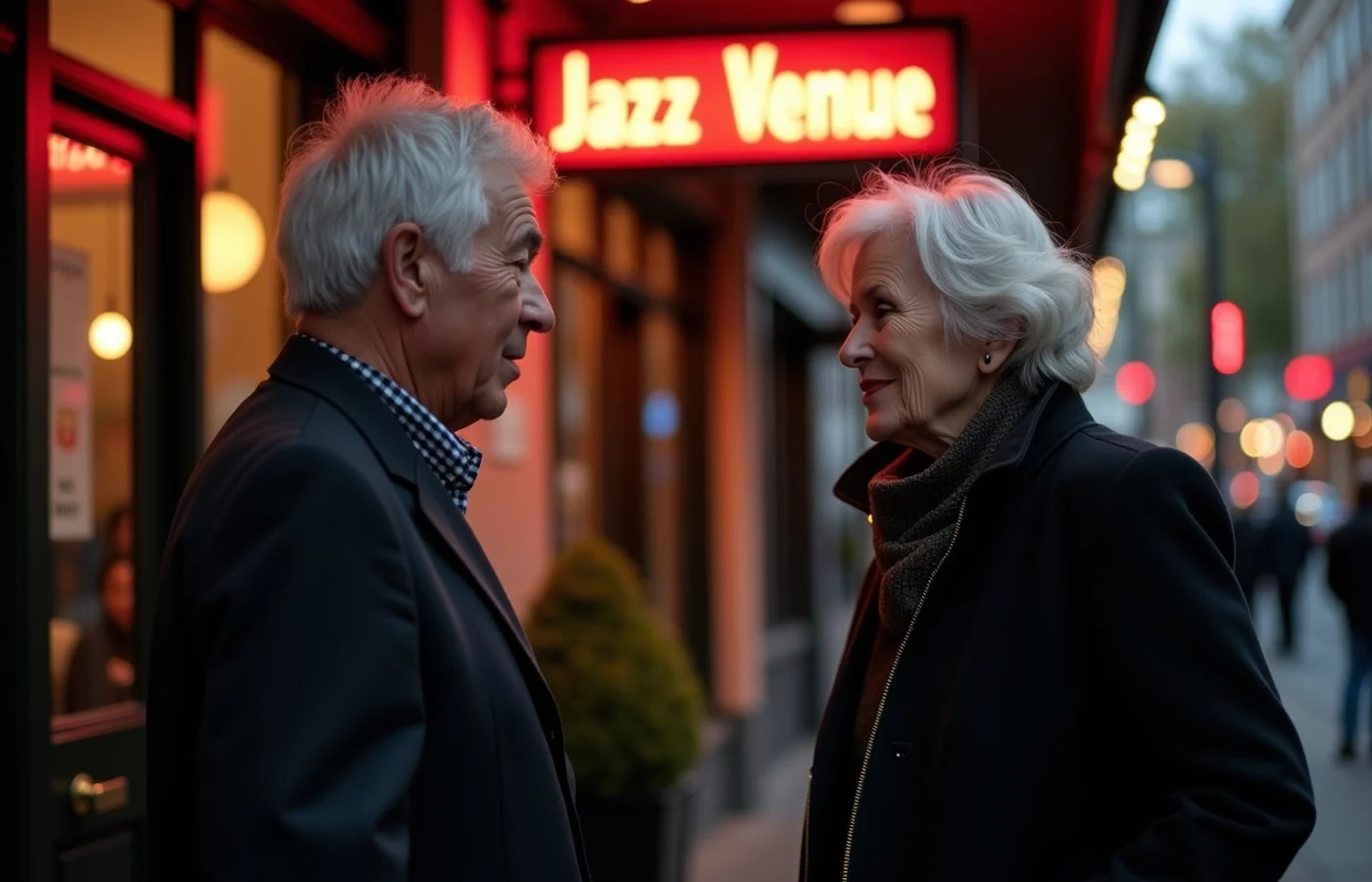
Life experience often sharpens preferences. You may know that warmth matters more than a flashy career, that you enjoy a partner who likes conversation, or that a relationship needs to work around close family ties. This tells readers how your life is arranged. Trouble begins when the profile becomes a screening document: a long list of height, income, education, political, appearance, travel, or personality requirements can make the writer seem prepared for disappointment before a conversation begins.
Past relationships also belong in proportion. A brief, calm reference to being divorced or widowed gives relevant context when you include it. Detailed comparisons with an ex-partner, grievances about dating culture, and warnings aimed at unnamed people pull attention away from who you are now. Defensive language often comes from understandable frustration, yet it leaves an interested reader without an easy way to reply. Confidence sounds more like a statement of preference than a complaint. Say that you value direct communication and a steady connection; do not build the profile around people who failed to provide either.
Write the profile in your own present-day voice
Draft from five pieces of information: three current-life details, one relationship aim, and one conversational opening. The three details should come from different parts of life, such as an activity, a social habit, and an interest. This produces a fuller picture than stacking similar claims about travel, food, or staying active.
Then add one sentence about the connection you want and end with a topic someone could respond to. A favorite trail, a current book, a reliable neighborhood restaurant, a gardening project, or a concert genre all work when they are true. Read the draft aloud. If the wording sounds like a résumé, a dating slogan, or something you would never say to a new acquaintance, revise until it sounds like your own everyday voice.
Which details create useful expectations?
Set expectations from the shape of your life. A reader should be able to tell whether you like frequent outings or quiet evenings, whether family is part of your week, whether you enjoy travel or prefer staying close to home, and whether you seek a serious partnership or companionship at a slower pace.
These details prevent basic mismatches without demanding a complete personal history. Saying that you enjoy hosting Sunday dinner conveys more than listing family members. Saying that you are happy with one planned outing and a few calls during the week describes pace without policing someone else's schedule. Keep addresses, workplace details, financial information, and private family matters out of the profile.
What should a reader learn after one pass?
After one pass, a reader should know who you are in the present tense. They should see a person with recognizable interests, a lived-in routine, and a social style. They should also understand what place a relationship would have in that life. This does not require a grand declaration. A concise description of wanting a committed partner, a companion for shared activities, or a friendship that develops naturally provides enough direction for the right reader to assess fit.
The final test is simple but demanding: does the profile offer a real opening for contact? Readers should not have to fall back on a generic compliment or ask what you do for fun. They should find an opening in the details you chose. If your profile shows your current life, relationship direction, and one subject worth asking about, it has done its job. Extra claims about being easygoing, loyal, fun, youthful, or drama-free rarely add anything.
A worthwhile profile does not try to summarize every role you have held or every disappointment you have survived. It gives an accurate view of the life you have now and leaves room for another person to enter it. That combination reads as grounded, available, and far more memorable than a page of generic promises.