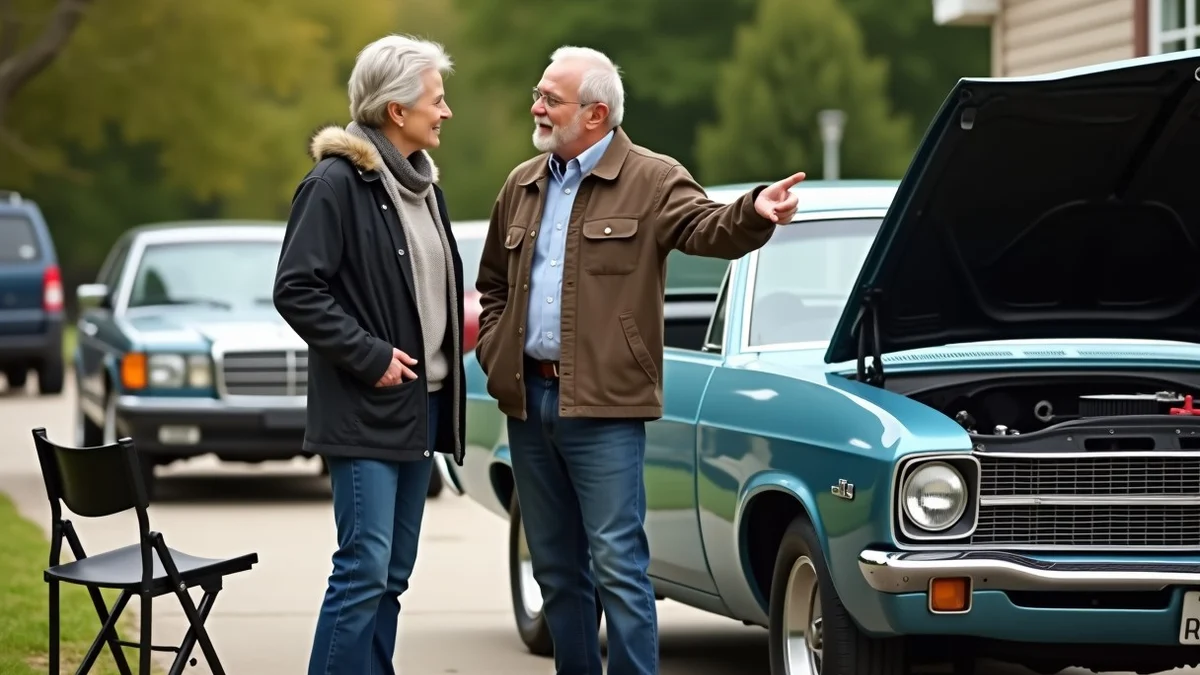
Compare free singles sites for car enthusiasts by what the account actually lets you do, not by the word “free.” Before trying a site, check whether a free account lets you list vehicle interests, state relationship intent, and contact a compatible match. Include one hobby limit in your profile. In a hypothetical comparison, Site A with searchable car interests and free two-way messaging is worth trying, while Site B shows profiles but blocks replies. The hobby should start the conversation, not settle the relationship.
Published by Datewise Guide
A car-focused dating service should make the hobby searchable without making it mandatory
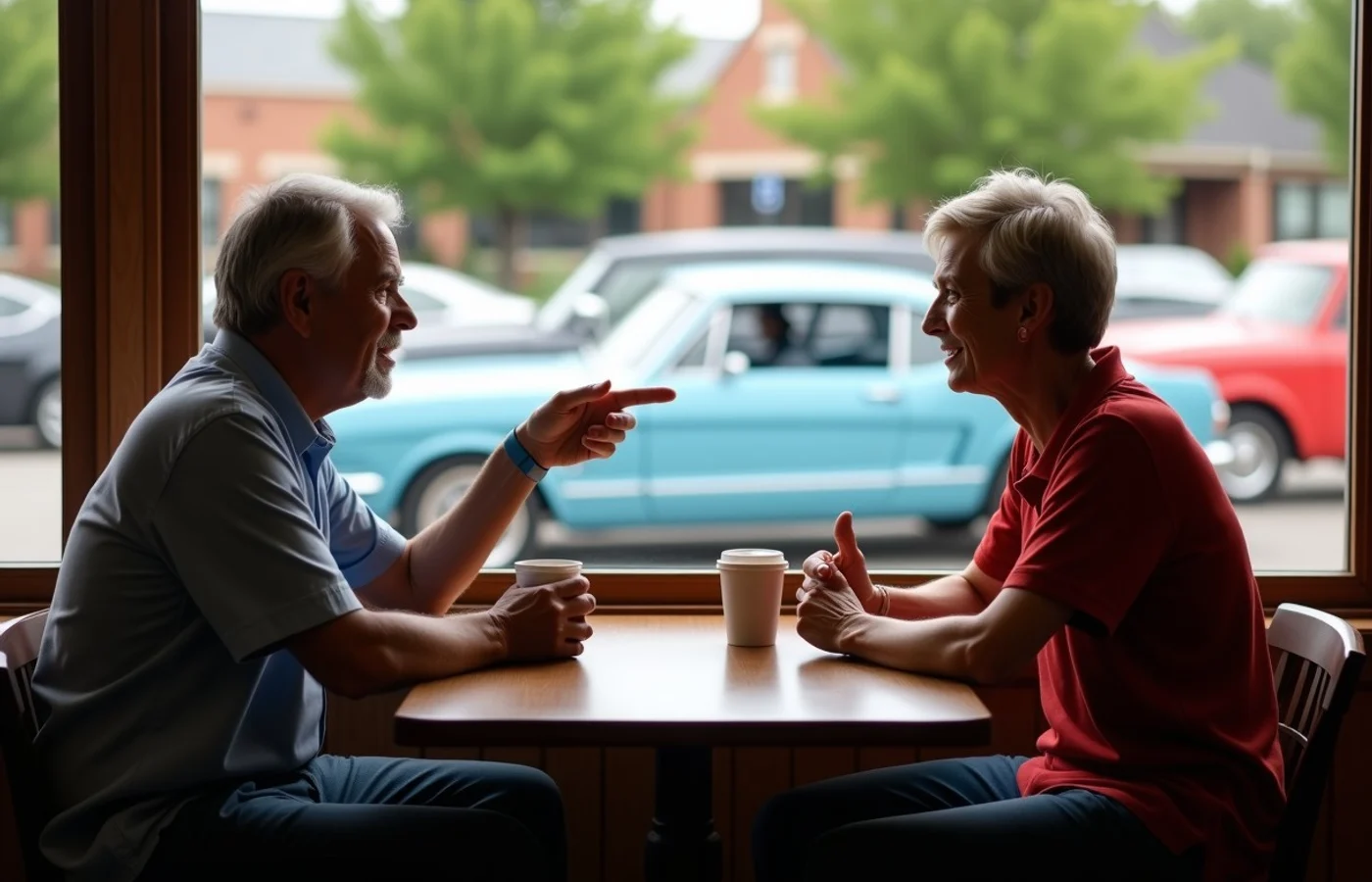
A car-focused dating service works best when it has separate profile fields for vehicle interests and relationship goals. Look for ways to list car shows, scenic driving, restoration, collecting, mechanical work, or automotive history. Search filters should help members find a shared hobby without making that hobby mandatory for every match.
The rest of the profile also needs room for dating intent, personality, schedule, and interests beyond vehicles. A car tag with no information about companionship or commitment offers little direction. A better profile setup lets members include car enthusiasm as one part of compatibility while discussing conversation, values, and the relationship each person wants.
Free features matter most when they affect who can actually contact you
| Feature | Site A Check | Site B Check | Pass Standard |
|---|---|---|---|
| Account visibility | The profile appears in search, and the account shows how other members find it. | The profile appears only as a limited preview, or payment is required before members can properly browse. | A free member can be found and can check how their profile appears. |
| Likes | Free members can send likes and see enough incoming activity to reply with context. | Likes are hidden, blurred, or restricted until an upgrade. | Likes provide a real path to mutual interest without forcing payment. |
| Search filters | Vehicle interests are searchable separately from relationship intent and other basic preferences. | Car-related search is absent, too broad to use, or locked behind a paid tier. | The hobby helps narrow discovery without replacing relationship criteria. |
| Messaging access | Both people can send and read messages through free accounts. | A free member can view a match but cannot send, read, or continue a conversation. | The service supports an actual first exchange, not just profile browsing. |
A profile can show enthusiasm without signaling spending power
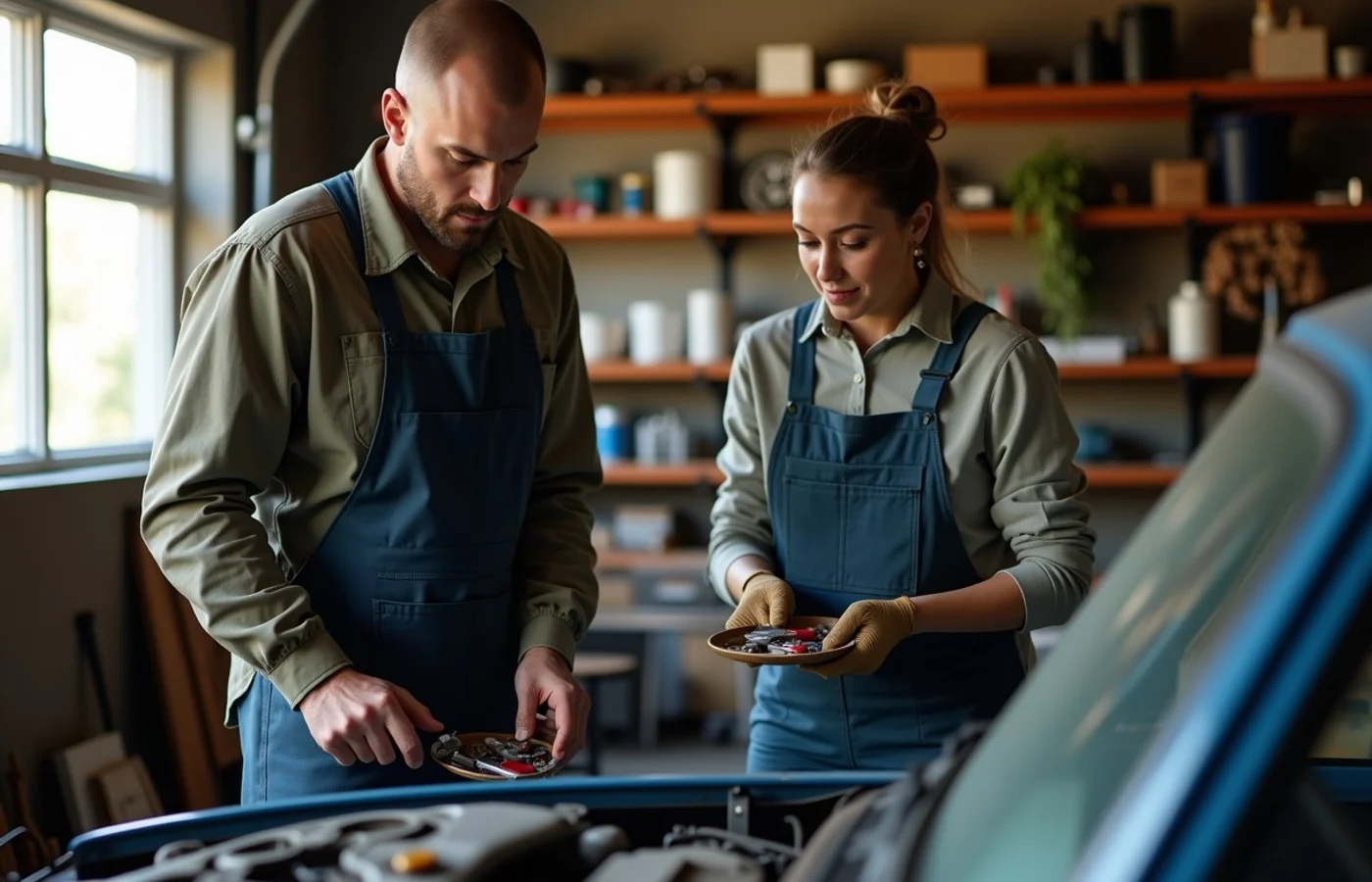
Car enthusiasm reads well when it names the activity, not a status signal. Describe whether you attend car shows, collect models, enjoy scenic drives, do basic maintenance, or work on a long-term project. State vehicle ownership only when it matters and is true. Someone who admires vintage cars but knows little about mechanics should present that honestly; a hands-on builder can describe the work they enjoy without turning the profile into a parts list.
Avoid language that suggests an expensive vehicle, a large project budget, or access to tools and a garage. A profile should not invite assumptions about income or willingness to fund another person’s hobby. Pair the car details with relationship intent and non-automotive interests so a match sees the person beyond the vehicle.
Add one clear hobby boundary: car meets and garage conversation are welcome, while lending a vehicle, tools, parts, or money is not part of dating. That sentence filters out an important type of expectation before the first meeting.
When a shared garage interest becomes a practical compatibility test
Imagine a hypothetical match between someone who spends most Sunday mornings on a restoration project and someone who enjoys occasional car shows but has no interest in hands-on work. Both profiles say they love cars. Their schedules, spending habits, and participation levels still point in different directions.
Before treating the shared hobby as a relationship advantage, discuss how often it occupies the week, whether project spending competes with other priorities, and what participation means. One person might want a partner who joins garage sessions; the other might prefer a partner who attends an event once in a while. Risk tolerance matters too: modified vehicles, unfinished projects, and long drives carry different levels of comfort. A car-focused meetup can reveal shared enthusiasm, but it doesn’t establish whether both people want casual companionship or a committed relationship. Those subjects need direct attention before the hobby becomes a stand-in for compatibility.
Watch for money requests disguised as automotive conversation
Vehicle talk becomes a serious warning sign when an online match turns it into an urgent financial transaction. Common versions include a request to buy a part from a particular seller, cover an emergency repair or tow bill, finance a project, join an investment involving cars, or receive and forward money for a vehicle-related payment. An overpayment followed by a request to send back the difference creates the same problem.
The story often relies on speed, secrecy, or emotional obligation. The person may claim to be stranded, promise repayment after a sale, offer a share of future profits, or ask to use a dating partner’s bank account to move funds. Never send money, purchase parts, accept transfers, forward payments, or share financial account details for someone met through a dating service. End the exchange, preserve the messages, and use the service’s block and reporting controls. A shared interest in cars is a conversation topic; it is not a reason to handle another person’s money.
Car enthusiasm earns attention; it doesn’t establish trust, shared spending habits, or relationship intent. Compare free functions before signing up, present your actual level of involvement, and make lending and money boundaries unmistakable. The strongest match still values the person beyond the vehicle.