
Use a free dating website for nature lovers only when its free access lets you find relevant profiles and reach a real conversation. The right site asks about outdoor activities, pace, and purpose, while giving you enough privacy control to keep routines and locations broad. Scenic photos help, but they reveal little about weekend schedules, relationship aims, or conduct in shared outdoor spaces.
Published by Datewise Guide
A nature-focused dating site should support more than scenic photographs
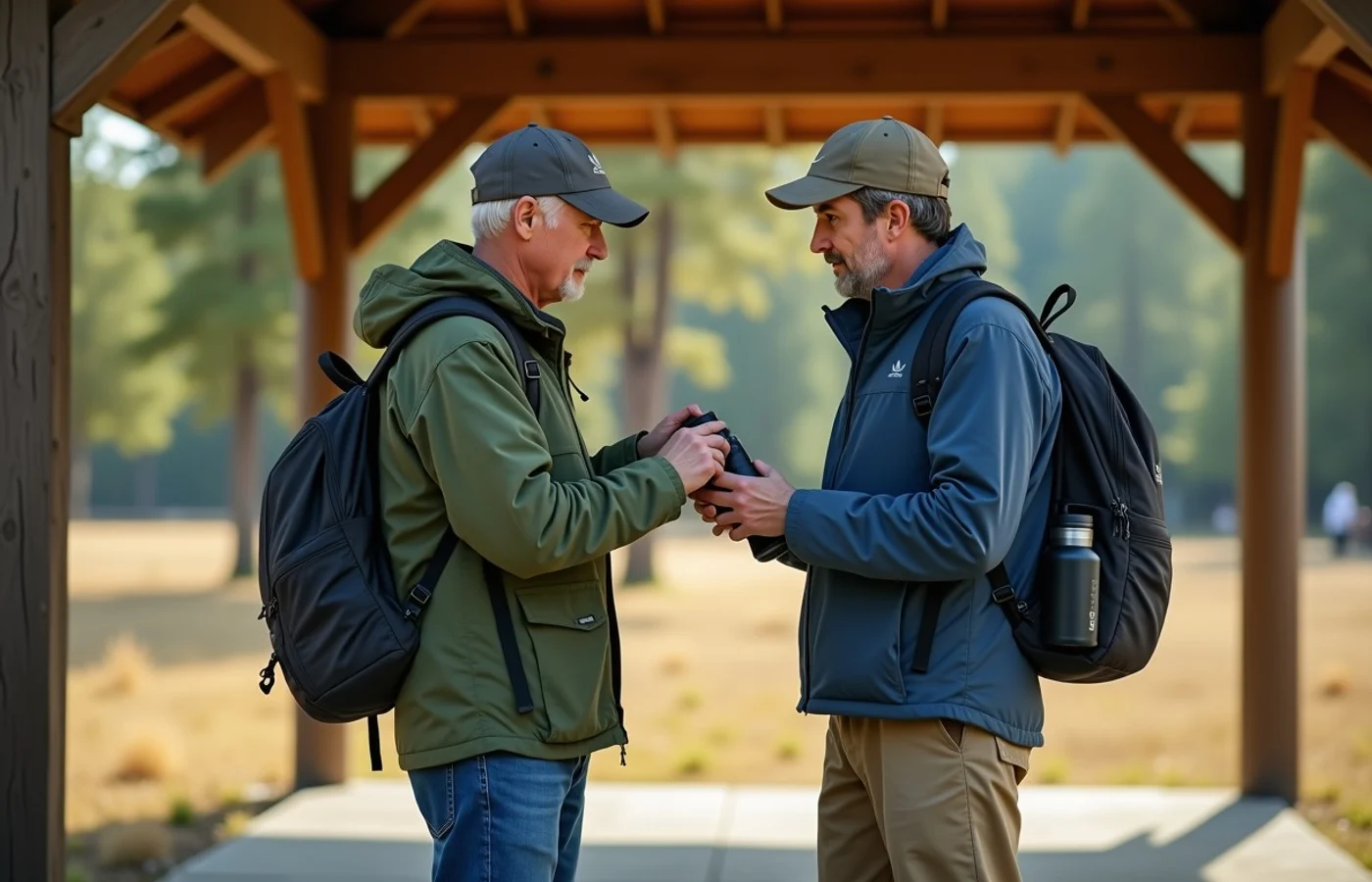
Nature-focused dating works when a site records the details that determine whether two outdoor habits fit. Profiles should let members identify activities such as hiking, camping, birding, gardening, paddling, or conservation volunteering, then describe frequency, effort, and preferred setting. Search tools should distinguish a person who enjoys a short park walk from someone planning multi-day backcountry trips. Communication tools should support a clear exchange before either person shares contact details or moves the conversation elsewhere. One interest tag is thin evidence. A profile filled with mountain views still leaves basic questions unanswered: Does the person go outside every weekend or once a year? Do they prefer quiet solo time, organized groups, or shared travel? A site earns consideration when its prompts and filters bring those differences into view without making outdoor recreation the only measure of compatibility.
Free access may cover discovery while limiting actual conversation
A free account can cover registration and browsing while limiting likes, search filters, profile visibility, or messaging. Check the current plan details and help pages before investing time. Confirm whether you can send first messages, read replies, revisit matches, and block unwanted contacts without payment. Also check whether activity filters are available to free members; a nature label without usable search tools produces a broad feed with little relevance. A site that displays outdoor interests but blocks every meaningful exchange isn't free dating access for this purpose. It is a browsing sample. Count conversation access as part of the service, not as an optional extra revealed after you have completed a detailed profile.
Profiles become more useful when outdoor interests include pace and purpose
Outdoor language hides large differences. Hiking may mean a flat hour-long walk, steep elevation, or a multi-day trip. Camping may mean an occasional established campground or carrying supplies into a remote site. Conservation may describe volunteer work, careful recreation, or a general interest in natural spaces. These distinctions affect time, effort, equipment, and expectations. A hypothetical profile that mentions weekend hikes, occasional car camping, and interest in conservation gives a clearer picture than several landscape photos. It also signals limits: someone seeking frequent strenuous trips may not fit that schedule. Details about staying on marked routes, packing out waste, or respecting local rules describe conduct and expectations, giving a reader more to discuss than a generic outdoor label.
Outdoor chemistry and relationship compatibility do not always move together

Shared nature interests create an easy starting point, but broader compatibility rests on communication style, schedules, values, and relationship pace. Two people might both enjoy camping and still differ sharply on how often they message, how far ahead they plan, or whether they seek a committed relationship, companionship, or casual dates. A person with free weekends may fit a regular hiking routine; someone with limited time may prefer occasional outings and longer online conversations. The same comparison applies to values. One person may care most about solitude and scenery, while another wants social recreation, travel, or conservation involvement. Clear profile language and respectful questions reveal those differences early. Outdoor enthusiasm belongs in the compatibility picture, not at its center.
Read the privacy controls before revealing regular outdoor routines
Keep outdoor details broad: name a region or type of activity, not a regular trailhead, departure time, campsite, workplace, neighborhood, or home area. Review controls for distance display, location visibility, profile discoverability, blocking, and reporting before uploading photos or sending routine details. When your device or app permits it, remove embedded location data from images. An authentic profile can describe favorite activities and preferred pace without mapping your weekly movements.
Try one free site against a defined nature-dating test
- Read the current free-account terms. Check registration, browsing, likes, filters, first messages, replies, and blocking before completing the profile.
- Fill in specific outdoor interests, including two or three activities, your usual pace, and whether you prefer occasional outings or frequent trips.
- Run searches using activity and relationship filters. Discard services that return generic profiles or hide the filters needed to separate casual interest from regular participation.
- Test conversation access without sharing private contact details. Confirm that a free member can send a respectful opening and read a response.
- Review privacy and unwanted-contact tools, then assess whether the available profiles share both outdoor interests and compatible expectations.
Free dating sites serve nature lovers well when outdoor interests connect to real conversation, clear expectations, and sensible privacy controls. Test those points before sharing routines or spending money; scenic imagery alone is weak evidence of compatibility.