
In Newark, a short distance on a map can become a long outing once transit transfers, driving, parking, and the trip home enter the picture. Older adults dating locally benefit from a search area built around trips they would comfortably repeat and a clear statement of whether they seek conversation, companionship, dating, or commitment. An app’s maximum distance setting is a poor guide to either one.
Published by Datewise Guide
A Newark search works better when “local” has a defined meaning
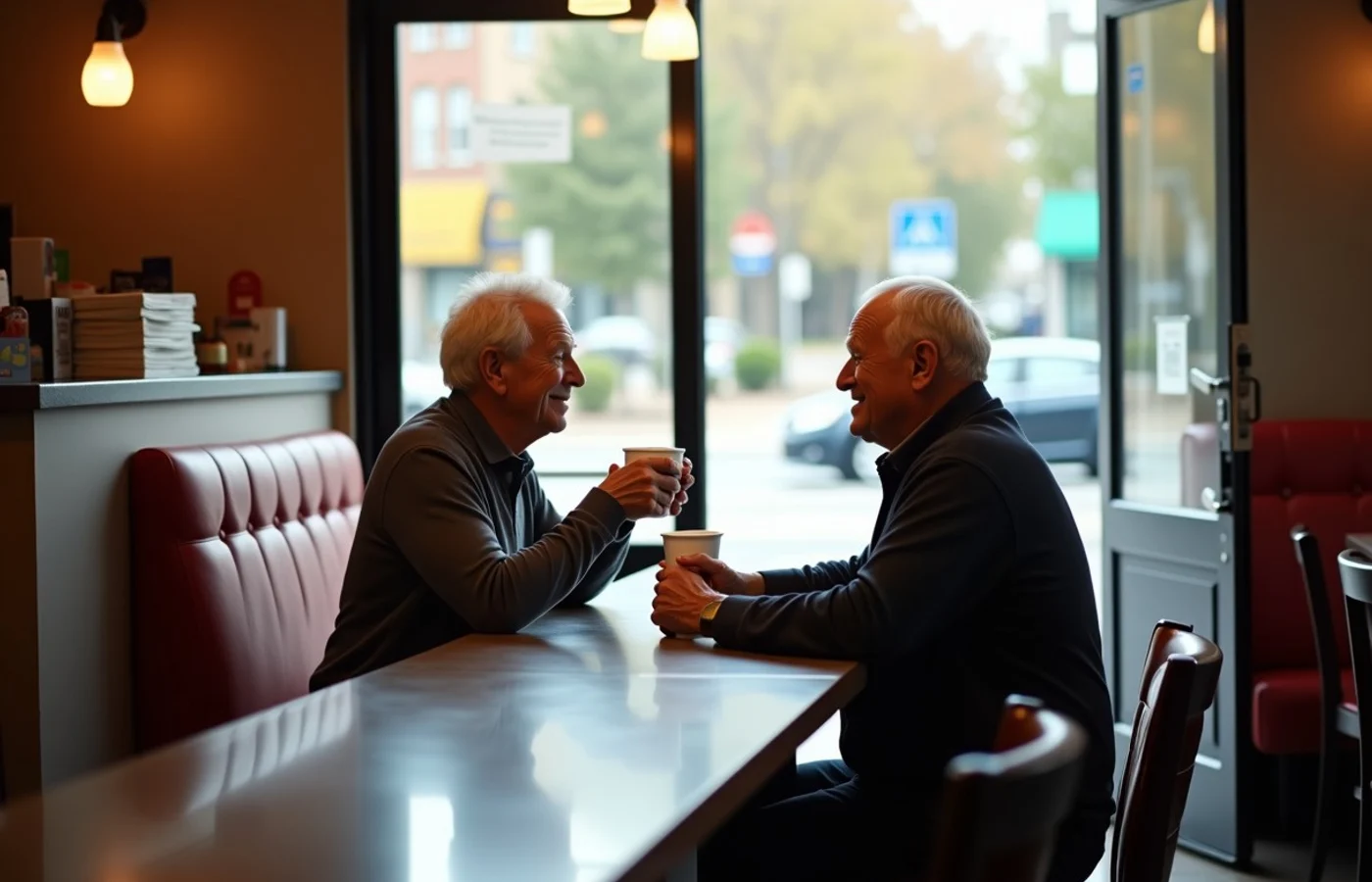
A radius on a dating app measures straight-line distance. A date requires a door-to-door trip, and a profile that appears nearby can still involve a drive, a parking decision, or a transit transfer that turns a brief coffee into most of an afternoon. In Newark, draw the boundary from places you already travel confidently: your own area, downtown, the Ironbound, and neighboring communities reached without a complicated route. For someone who uses rail or bus, Newark Penn Station serves as a real-world anchor only when the onward trip feels straightforward.
Distance filters should follow that map. Begin with a zone that supports an easy public meeting and return home; expand it only for people willing to meet halfway or for areas you already visit. A reliable 20-minute trip carries more value than a broad radius that produces exchanges with people you will never see. This prevents a common local-search mistake: treating every person in the wider metro area as equally reachable. Familiarity with a neighborhood also matters on a first date, when attention belongs on the conversation, not on directions, parking, or the last train home.
Keep a wider regional range for a separate reason, not as a default. A person in a nearby city may suit someone who enjoys planned daytime outings and accepts the travel burden. That connection needs a different rhythm from a date that fits easily into an ordinary week.
The right pace depends on what companionship means to each person
Companionship has several meanings, and vague use of the word produces conversations with incompatible expectations. Conversation means regular exchange without an immediate plan to date. Activity companionship centers on shared outings. Dating signals romance; commitment signals a wish to build a partnership.
Put the intended starting point in the profile and early exchanges. Someone interested in occasional museum visits needs a different rhythm from someone ready to pursue a relationship. State your preferred meeting frequency and whether you favor a few messages or a phone call before an outing. Direct language filters out false momentum.
Profile signals that invite mature, specific conversation
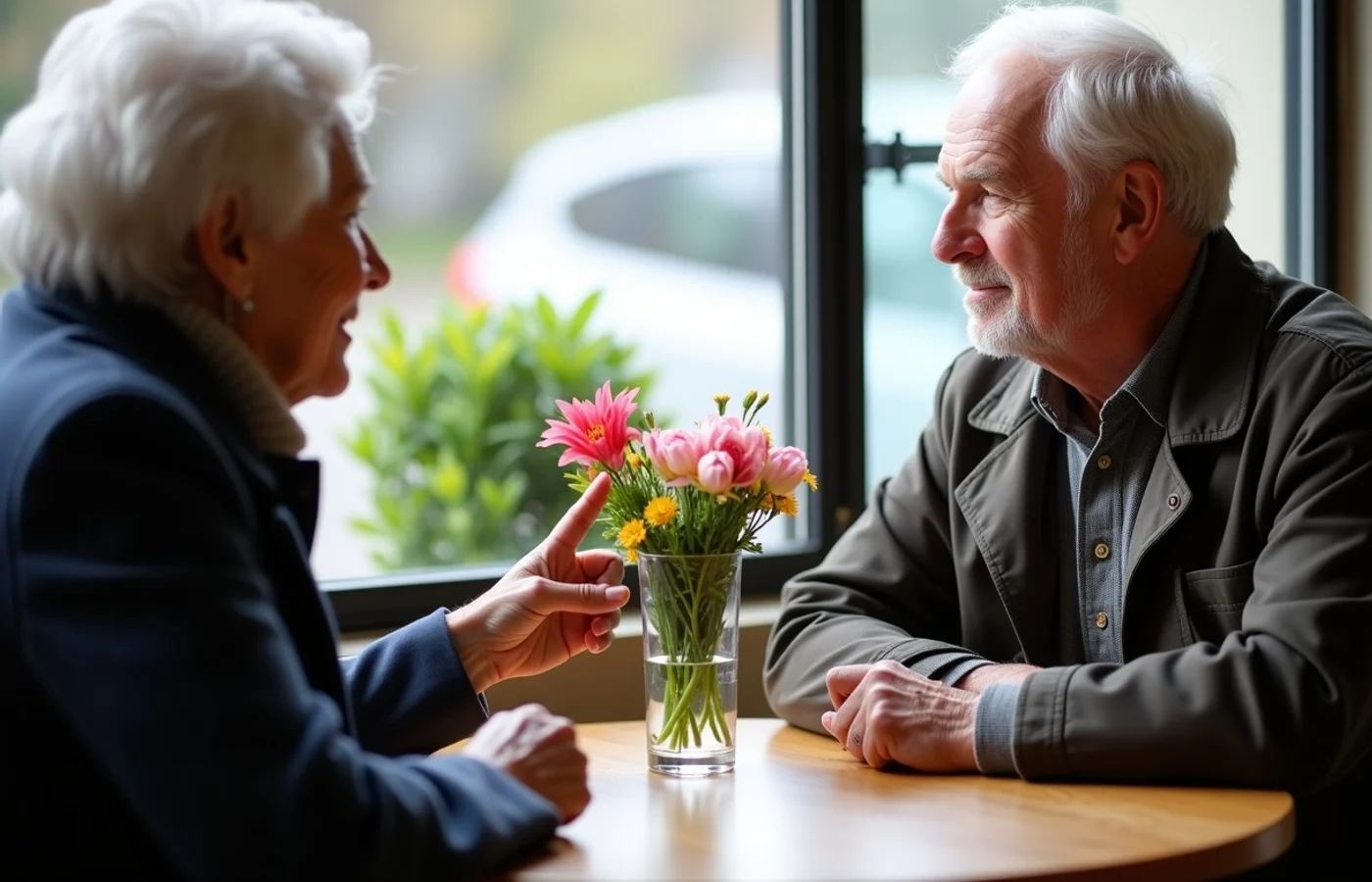
A profile earns better opening conversations when it supplies something concrete to discuss. Name two or three interests with shape: gardening, live music, community volunteering, day trips, or a favorite kind of book. Add a broad schedule, such as weekday afternoons or planned weekend outings, so a nearby reader understands the rhythm of a possible connection. Mention your desired pace—slow introductions, regular messaging, or meeting soon after a brief exchange—without explaining every past disappointment.
Relationship history needs only the context relevant now. Widowed, divorced, or long single are sufficient labels when you wish to use them; a profile need not contain the story. Keep your surname, exact street, building, workplace, daily route, and identifiable family details off the page. Hold exact neighborhood details until both people have established basic rapport and agreed on a public meeting area. A current photo with no house number, license plate, or address in view protects the same boundary.
A first meeting should confirm comfort before increasing access
Move from app messages in stages: retain in-app chat until both people have exchanged enough to plan a short public meeting, then meet in a busy Newark setting during a time that supports an easy exit. Each person should arrive and leave independently. Tell a trusted friend or relative the person’s profile name, meeting place, and expected check-in time.
App familiarity is insufficient reason to share a home address, invite someone inside, accept a pickup, or reveal a building entrance and usual parking spot. Keep the first meeting short enough to leave comfortably if conversation falls flat. A respectful date accepts that boundary without debate.
People who respect a stated pace, a public first meeting, and a manageable route are already showing the kind of consideration that lasts beyond an app. Newark offers a wide regional orbit, but a smaller circle with clear terms produces better meetings. Protect your time and home details with equal seriousness; both are part of the invitation.