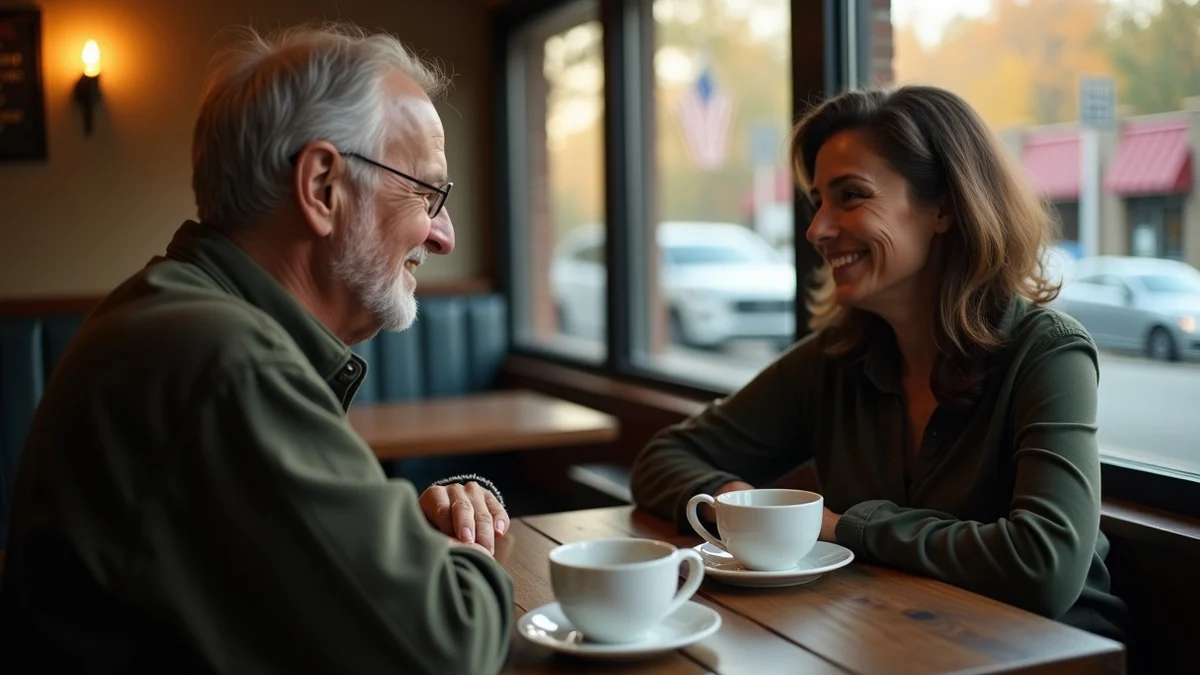
Dating after bereavement makes ordinary questions—dinner, a profile photo, a weekend plan—feel heavier than they used to. Widows and widowers in Montgomery can return to dating for conversation, companionship, romance, or a committed partnership. Start by naming what fits your present life, without treating a new connection as a verdict on the marriage that came before it.
Published by Datewise Guide
Returning to dating after a spouse’s death can take many forms

Dating needn’t begin with a promise of lifelong commitment. Some starts are about a pleasant conversation after work; others center on a dinner companion, an activity partner, or someone to see regularly. Missing shared routines can make a simple outing feel like the right first step. Another person may feel ready to make space for romance and a future partner. These are different forms of dating, not ranks on a readiness scale.
Keep the Montgomery search area honest. Meeting someone on the opposite side of town asks more of a weekday than messaging them from the sofa, and a long drive can turn a low-stakes first meeting into an obligation. Search close to the parts of Montgomery you already visit when companionship is the immediate interest. Widen the radius when you have time and appetite for a connection that calls for regular plans. That setting keeps the search at a workable pace, especially when old routines still shape evenings and weekends. A first date does not have to carry the weight of a whole future.
Readiness and emotional bandwidth
Emotional bandwidth shows up in mundane places: whether you can make plans without dread, keep a conversation from becoming a grief debriefing, sleep after a difficult memory surfaces, and tolerate another person’s interest without feeling crowded. A calendar full of family tasks or a need to keep your address private narrows what dating can hold right now. In Montgomery, a low-commitment daytime meeting near the area you already travel may fit better than a long evening across town. A considerate match lets bereavement be mentioned without demanding details, rushing reassurance, or competing with a deceased spouse.
A new relationship does not erase an earlier one
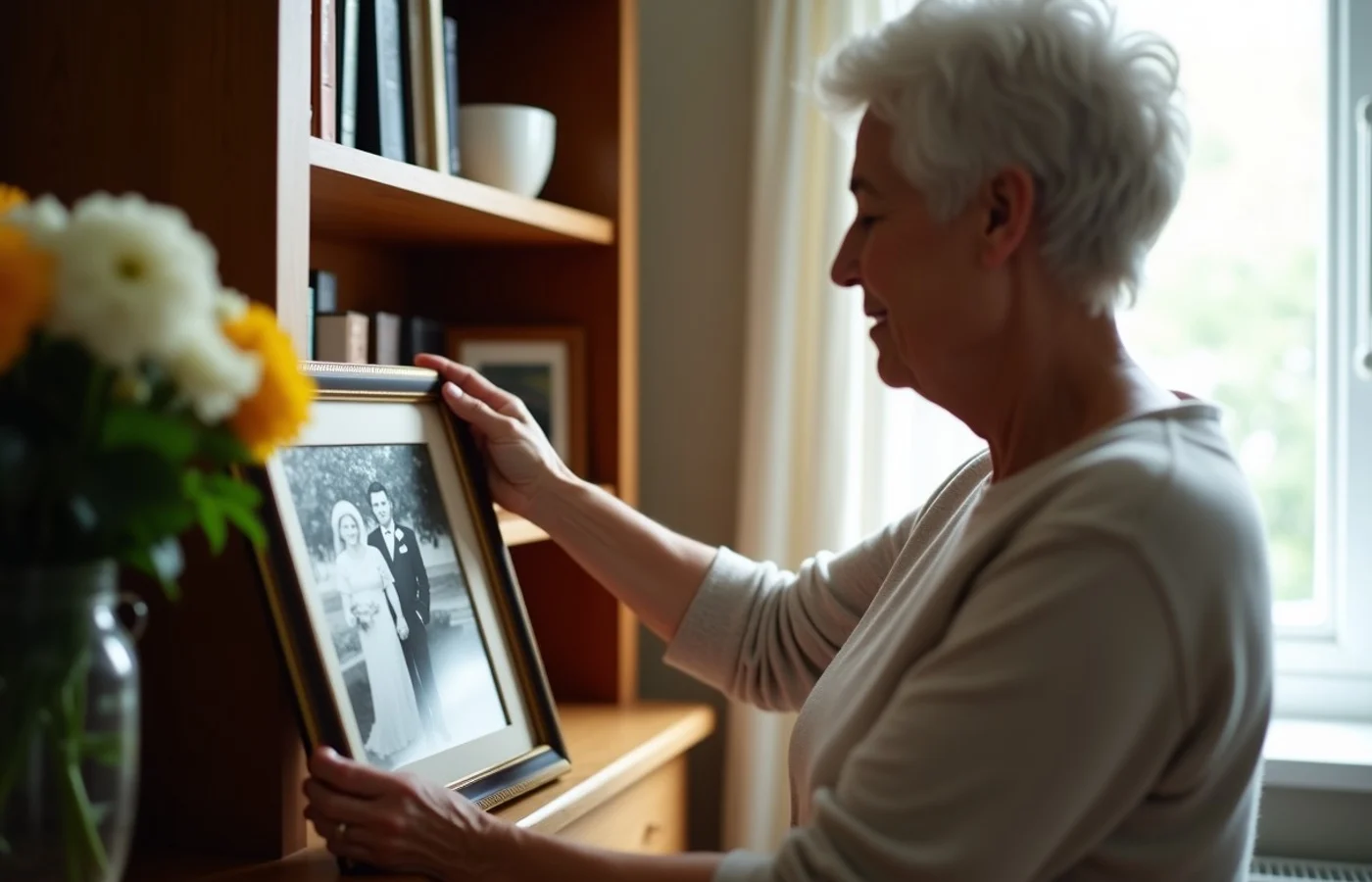
A spouse’s death changes the story of a life; dating brings no duty to erase that story first. Photos, anniversaries, family traditions, and the language of marriage may remain important. Patience with those facts shows an ability to meet the life in front of them. Someone treating every mention as a threat is signaling a poor fit.
Share the basic fact of bereavement early enough that a match understands your history, then keep first conversations rooted in the present. Explain the depth of the loss only when you want to and when the connection has earned that trust. In Montgomery, this matters when a date overlaps with a familiar restaurant, a holiday gathering, or a route once shared with your spouse; a brief, honest explanation prevents needless confusion.
How much personal history belongs in an early profile?
An early profile is an introduction, not a record of a marriage. A short reference to widowhood or widowerhood, paired with what you enjoy now and what sort of connection interests you, supplies enough context. Leave the cause of death, the date, family history, and personal milestones off the page. Those details belong to your private life until you decide otherwise.
Intrusive questions do not become acceptable because a dating app feels intimate. Questions about a spouse’s death, medical care, or money are too personal for early contact. Decline the question, move on, or end the exchange. For a Montgomery first meeting, select a public place on your own terms and keep your home address private; a new match needs neither your street nor an account of places tied to memories.
Companionship, romance, and remarriage carry different expectations
Companionship often centers on shared meals, local events, conversation, or a familiar person to call. Romance adds emotional and physical intimacy, and it often raises questions about exclusivity, time together, and how each person appears in the other’s social life. Committed dating points toward a sustained partnership. Remarriage goes further: it brings expectations about a household, family roles, finances, and legal status. Calling every hope serious dating blurs decisions that deserve plain language.
In Montgomery, the difference shows up in the calendar. Someone seeking occasional company may prefer short daytime plans near home; someone pursuing a partnership expects regular time, emotional presence, and a shared direction. Bring up the pace of dating and the place of remarriage before either person starts assuming the other shares those plans. A mismatch becomes clear when one person speaks about keeping life companionable while the other talks about combining families or setting a wedding horizon. Neither position is wrong. They simply ask for different commitments. Naming that gap early avoids a painful sense of having been misled.
Dating in Montgomery need not ask you to tidy up grief before meeting someone new. Clear limits, honest intentions, and a pace that leaves ordinary life intact are enough to begin.