
To meet Asian singles in Austin online, set an Austin-based search around real travel distance, state your relationship intent, and engage each match as an individual. Cultural identity can shape a connection, but it cannot supply a biography, family dynamic, or shared vision of commitment. Asian-focused platforms such as East Meet East and Dil Mil offer targeted entry points for relevant audiences, while a mainstream app such as Hinge supports a broader local search.
Published by Datewise Guide
Austin’s Asian dating audience is diverse rather than uniform
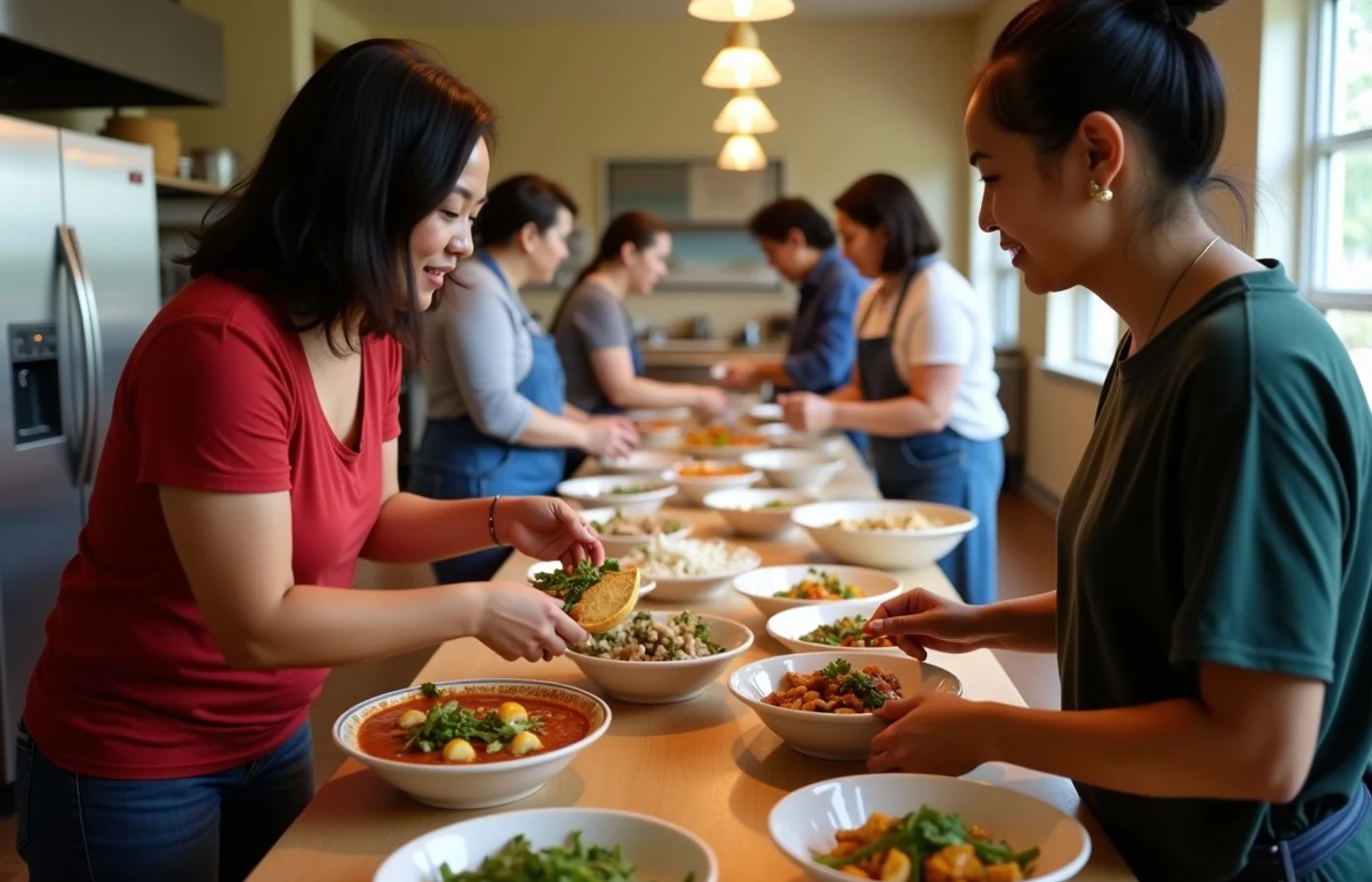
Austin includes people with roots across East, Southeast, South, and Central Asia, as well as multiracial, immigrant, and U.S.-born communities. Nationality, ethnicity, language, religion, generation, and relationship goals describe different parts of a person’s life. Shared heritage does not establish a shared language, faith practice, family role, or reason for dating.
The Asian American Resource Center reflects Austin’s broad Asian American community context, but it is a cultural gathering place, not a singles venue. Online dating works better when identity provides context and profile details carry the rest of the introduction.
Search settings for a large metropolitan area
- Set Austin as your base and use a radius that suits trips you would make on a weeknight. A North Austin match near Chinatown Center creates a different travel plan from a nearby central-Austin match, even when both profiles list Austin.
- Use heritage or language fields only where a platform offers them and where they reflect your own interest. Keep age preferences aligned with your dating range, then read profiles for the details that a filter cannot capture.
- Set relationship-goal preferences early. A search for marriage, a committed partnership, companionship, or casual dating produces different conversations and prevents cultural common ground from carrying more weight than it deserves.
- Compare search results across platforms. East Meet East centers Asian dating, while Dil Mil is geared toward South Asian dating; Hinge provides a general online dating search. Check the Austin profiles you actually see before giving any platform your time.
Respectful curiosity creates better early conversations
A profile detail gives an opening a real subject. Ask about an interest they named, how a language fits into their daily life, or what drew them to a hobby or career path. A language reference is not an invitation to demand a translation, assess fluency, or assume where someone was born.
Family and values deserve the same care. Conversation can explore whether family is nearby, how holidays matter to them, or what they value in a long-term partnership. Those questions invite a person’s own account; cultural trivia and broad claims about what people from a background are like do not.
Compatibility includes shared expectations beyond background

A shared background does not settle the daily questions that shape a relationship. Communication style, family involvement, faith, work hours, social routines, and expectations around commitment all carry their own weight. Two people may enjoy the same cultural references and still want sharply different lives.
After introductions, discuss everyday logistics: how often each person likes to communicate, whether weekends are reserved for family or friends, and what a serious relationship means in practice. Those answers say more about fit than an identity label.
Cultural identity in a profile
A profile should name the part of heritage that matters to your own life and dating hopes. Someone who speaks Korean with grandparents and wants to preserve that connection in adulthood can say so plainly. Someone seeking a partner who understands a South Asian family context can describe that value without claiming every South Asian person shares it. Shared language, religious observance, family closeness, immigration history, and cultural events are all legitimate topics when they reflect your lived priorities.
Keep the rest of the profile grounded in how you live in Austin. Mention your relationship aim, social habits, favorite kind of evening, and an area where you could meet first. A North Austin resident who prefers dating within an easy ride gives matches information they can use. Avoid lists of attributes presumed from ethnic background, such as language fluency, culinary skill, obedience, or family orientation. Those demands show interest in a type, not an individual. A strong profile presents heritage as part of a fuller life and gives compatible people more than one reason to open a conversation.
When a match reduces someone to a category
The problem is clear when a match makes heritage the main attraction, assigns personality traits based on ethnicity, demands cultural education, or pushes sexual assumptions tied to race. Intrusive questions about immigration status, family expectations, or language performance raise the same concern when they arrive without context or consent.
A stranger is not owed a debate about why that framing is offensive. End the exchange, unmatch, and use the platform’s reporting tools when the message is sexual, harassing, or violates its rules. You may send a brief statement before leaving, but you are not required to keep giving them your time.
Austin’s size rewards a dating search built around actual geography and stated priorities. Heritage may matter to attraction and long-term fit, but it cannot answer the questions that sustain a relationship. Profiles and conversations that name values without assigning traits give both people a better basis for continuing.
Where the factual details come from
- East Meet East — East Meet East
- Asian American Resource Center — City of Austin
- Dil Mil — Dil Mil
- Hinge — Hinge