
Set the kind of cultural connection you want in your dating life, then build a Baltimore search around distances and conversations you can sustain. Black singles in Baltimore benefit from stating those priorities plainly, using more than one route to meet people, and using cultural alignment to open a compatibility conversation. Geography counts. So does give-and-take. A profile filter narrows introductions, but cannot reveal how someone approaches family, commitment, or consideration.
Published by Datewise Guide
A Baltimore search can be local without being narrowly confined

Set a radius that reflects the trips you will actually take after the first week of messaging. Baltimore proper offers plenty of plausible starting points, yet a search confined to one neighborhood can discard a compatible person across town. Include nearby communities such as Towson, Catonsville, or Columbia only when a weekday coffee, a weekend outing, or a later relationship fits your routine. Distance becomes a real compatibility issue when one person expects spontaneous plans and the other faces a long trip every time.
Pick a few meeting areas that work for both sides, then bring location into early logistics. Fells Point, Mount Vernon, and Station North serve different parts of the city, so a proposed meet-up says something specific about travel expectations. For a first in-person date, an outing at the Walters Art Museum in Mount Vernon or an activity in Station North puts both people in a public setting with something to discuss. Check the route, parking, and return trip before agreeing to a place that sounds appealing on a map.
Cultural connection has several meanings
Shared Black identity may be central to the search, but connection is not one checkbox. Family traditions, faith, regional roots, language, community involvement, music, food, professional life, and the social experiences that shaped someone all carry different weight. Two people may share an identity while having sharply different ideas about family gatherings, church, civic life, or what belonging in a community means.
Those differences show up in everyday decisions. One person sees regular family time as essential; another values independence and a quieter home life. One seeks a partner deeply involved in Baltimore community spaces; another prefers a relationship centered on private time and shared hobbies. Put the two or three cultural dimensions that count most into your profile and early conversations, then invite a match to describe their own life in their own terms.
Identity-focused discovery can improve relevance without replacing individual judgment
Identity-focused dating services place Black cultural connection near the beginning of the search. That cuts down on basic explanations and may produce profiles where family, community, and lived experience are already part of the conversation. General dating services offer a wider local pool and more room to search around lifestyle, relationship intent, faith, education, or interests. Neither route supplies a verdict on compatibility. Both simply shape who appears in front of you first.
Use more than one source of introductions when the search feels narrow. A Black-focused service can sit alongside a broader app with carefully chosen preferences. Community gatherings, alumni networks, professional circles, hobby groups, and trusted referrals add another route into Baltimore dating without turning every social event into a hunt for a partner. A referral provides context about how two people know each other, but cannot settle attraction, communication, or shared plans for the future. Meet each person as a new introduction, then decide whether you want to continue.
What should early conversations reveal about cultural respect?
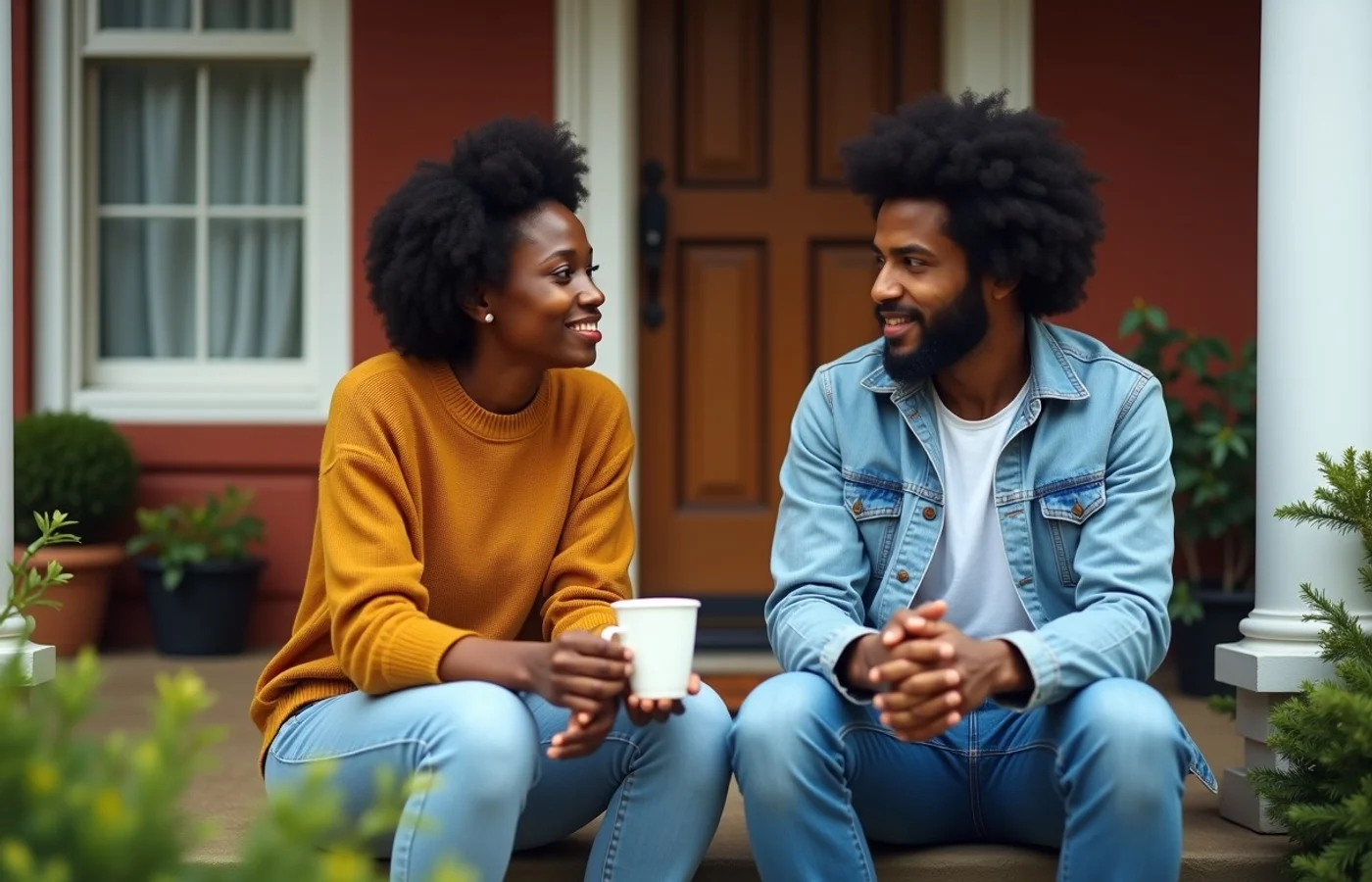
Early conversation should show whether someone handles cultural topics with interest and maturity. Bring up the place family holds in each of your lives, the traditions that still count, the communities where you spend time, and the experiences that shaped what you want from a partner. Offer your own answer as you ask. Sharing from both sides gives a fuller picture than a series of qualification tests.
Move from background to daily life. Discuss how often each person sees relatives, whether faith is active or personal, what social settings feel restorative, and how a partner would join existing friendships and commitments. Relationship goals belong in the same early stretch of conversation: casual dating, friendship that may develop, exclusivity, marriage, or another committed path. Someone who engages thoughtfully with these subjects offers more than surface familiarity with Black culture; they show whether their life can include the relationship you want.
Shared identity does not guarantee shared expectations
Faith and spirituality
Shared cultural reference points may feel grounding.
Discuss observance, worship, holidays, and the role faith would hold in a partnership.
Family involvement
Both people may value close family ties.
Discuss how often to stay in touch, caregiving duties, personal limits, and expectations around gatherings.
Politics and public life
Both may care deeply about social issues.
Learn how each person handles disagreement and which values guide daily choices.
Gender expectations and home life
A shared background can make some assumptions feel familiar.
Talk plainly about roles, finances, household labor, independence, and decision-making.
Commitment and pace
Cultural ease can make early chemistry feel immediate.
Establish whether both people want the same kind of relationship and similar timing.
Dismissive or fetishizing messages are useful information
End contact when messages turn race into a collectible trait. Exoticizing language, sweeping claims about Black women or Black men, and comments built on sexual stereotypes reduce someone to an idea. The same is true of an opener that presents proximity to Black culture as a credential while showing no curiosity about your actual interests, values, or relationship plans. Attraction does not excuse demeaning language.
Dismissiveness often comes with defensiveness. A match may deny the impact of a stereotype, argue when you name a concern, or demand that you explain parts of your identity for their comfort. Another warning sign is one-sided curiosity: they ask personal questions about race, family, or culture yet offer nothing about their own background and expectations. End the conversation when basic consideration is absent. Unmatch or report conduct that crosses the platform's rules. No debate is required with someone seeking access to a category instead of a two-way connection.
Let the profile invite specificity
Give prospective matches material to answer. Name a Baltimore routine, a community tie, an interest you pursue consistently, and the kind of relationship you are building toward. A profile that mentions family dinners, local arts outings, volunteering, fitness, faith, or a serious intention draws responses with substance. Black identity belongs in the profile when it matters to you; details about the life around it show who you are asking someone to know.
An intentional Baltimore search gives cultural connection its due without making it a shortcut. Clear self-description and two-way conversation leave less time for people who trade in assumptions and more time for someone whose values, routines, and relationship plans suit yours.