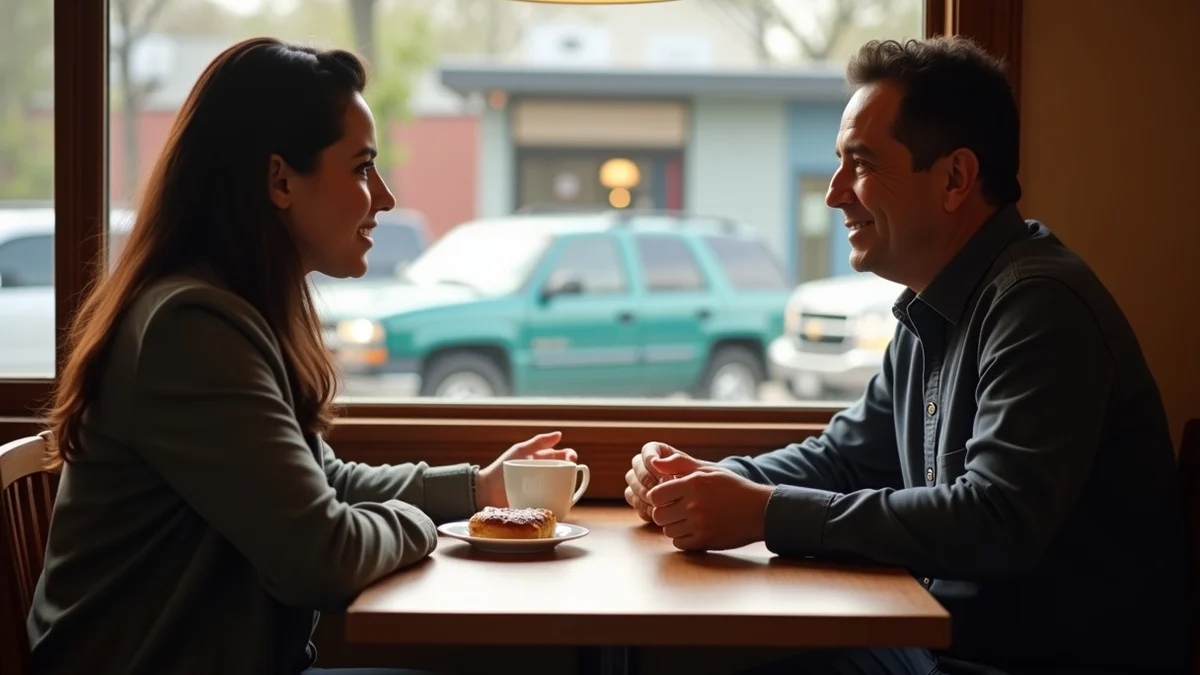
For Latino singles dating in Toledo, cultural connection deserves more than a checkbox. State the parts of your life that matter, ask about the other person without testing their identity, and look for agreement on communication, family, and the kind of relationship each of you wants.
Published by Datewise Guide
Toledo dating can connect identity, community, and individual preference

Toledo’s Latino community gives local dating a context that a broad national search lacks. A shared reference—Spanish at home, a regional dish, a religious practice, an arts organization, or relatives nearby—can make an opening exchange feel less generic. It also helps people search near the routines they already follow, with culture connected to life in the city.
Latino identity leaves nationality, ethnicity, language, family customs, and partnership goals open to interpretation. Someone raised in Toledo who speaks little Spanish and someone who uses Spanish every day may share a label while wanting very different things. Start with the interests and intentions each person states; the category that brought you into the same search is only a starting point.
A profile can signal openness without making culture a performance
Write a profile that places culture among the facts of your actual week. Mention bilingual conversation, faith, Sunday dinner, a favorite kind of music, or close family relationships when those details shape your life. Current photos should show you doing things you genuinely enjoy, not trying to prove an identity to strangers. A reference to supporting arts and cultural activities at the Sofia Quintero Art and Cultural Center belongs only when that connection is real. Early messages work best when they draw from a detail the person chose to share: ask about an interest, a tradition they mentioned, or whether English, Spanish, or a mix feels most natural in conversation. A surname, food photo, or Spanish bio is not an invitation to test someone’s authenticity.
When family expectations enter an early connection
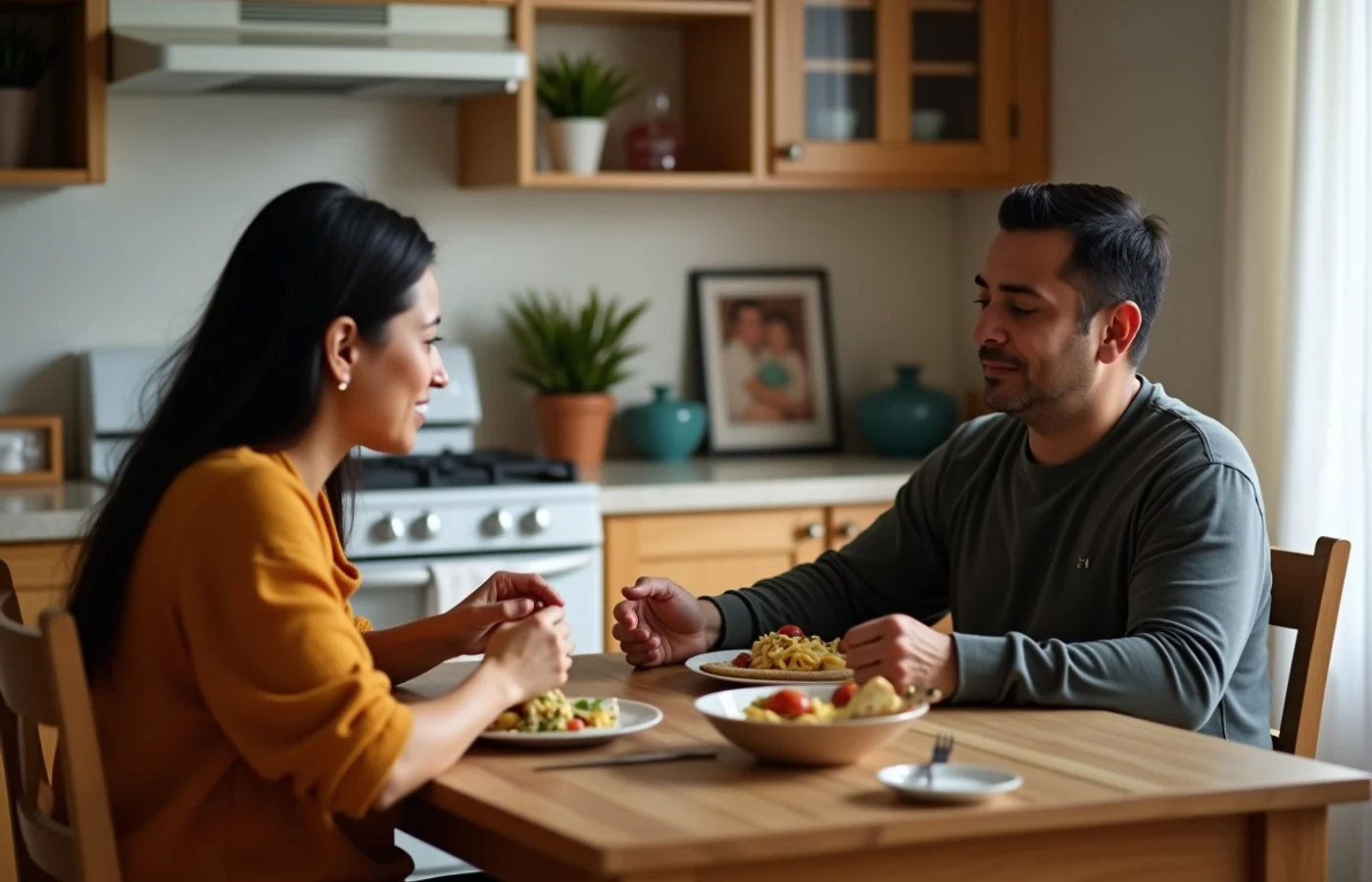
Family often enters dating talk before a relationship is ready for introductions. Use it as an everyday life question, not a declaration about what someone should value. Early conversations can cover whether weekends are often reserved for relatives, how holidays are divided, or whether caregiving affects a person’s schedule. Those answers tell you far more than assumptions about family values.
Meeting parents, children, or extended relatives belongs later, after both people have established interest and basic trust. Someone close to family may still want a separate dating life at first; someone else may expect a partner to join gatherings sooner. Ask about pace before a holiday invitation becomes loaded. Do not press for relatives’ names, social accounts, home addresses, or details about family conflict. A person can be candid about the role family plays without opening their whole household to a new match.
What questions create room for an individual answer?
Ask what they hope dating leads to, what a committed relationship looks like to them, and how they prefer to handle a disagreement. Ask what keeps them grounded outside dating, whether faith or community participation matters in their week, and what kind of time together feels worthwhile.
Language deserves the same care. Ask what language feels most comfortable for conversation; a profile alone cannot establish fluency. Questions about traditions should leave room for choice: ask which ones they enjoy sharing, not which ones they are expected to follow. Direct answers reveal more than an identity label.
Shared background may help the opening, but it cannot replace fit
Attraction, emotional presence, consideration, and conflict style still shape whether a connection lasts. For matches on opposite sides of the Ohio-Michigan line, discuss the actual travel routine early, with distance included in the planning. A first meeting near the Toledo Museum of Art or at Middlegrounds Metropark offers a public, low-pressure setting, but the setting cannot carry a weak conversation. Notice whether both people follow through, accept a stated pace, and have schedules that leave room for an actual relationship.
Cultural familiarity can make a Toledo connection feel warmer from the start. Let it open an honest conversation, then give equal weight to the daily choices that shape a relationship: how each person communicates, shows respect, handles family ties, and makes time.
Sources for this guide
- Toledo Museum of Art — Toledo Museum of Art
- City of Toledo — City of Toledo
- Metroparks Toledo — Metroparks Toledo