
A distinguished career can open a conversation and still tell you almost nothing about a person’s Tuesday afternoon, family commitments, or hopes for a partner. Meet professionals over 70 through interest-led gatherings and profiles that name present-day routines, then discuss time, distance, and relationship intentions early. Credentials supply context; a shared life needs more than context.
Published by Datewise Guide
At community events, introductions work best when the setting gives people something to discuss
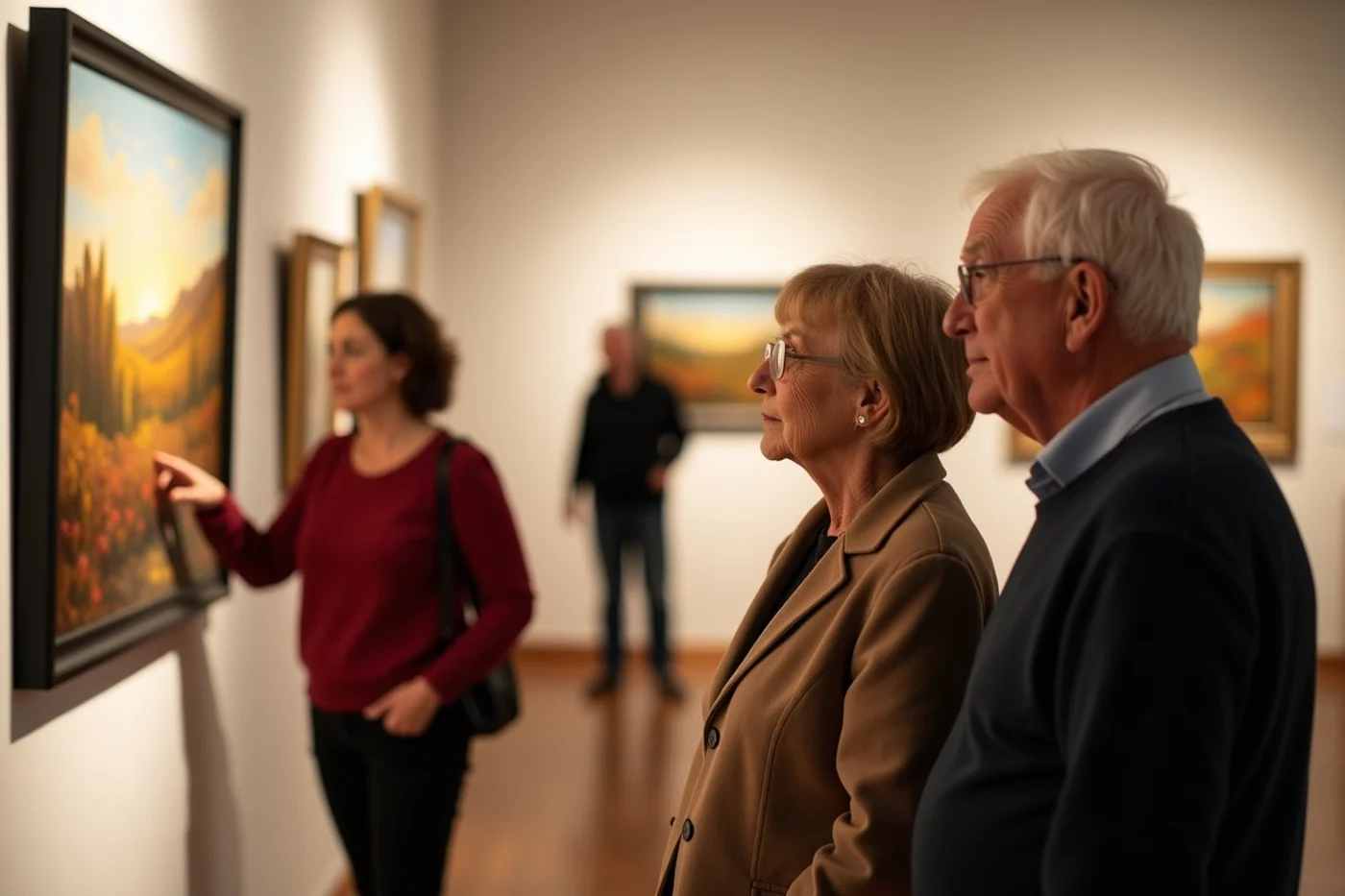
An exhibition talk, museum discussion, adult-education seminar, service project, alumni gathering, or retired-members social event gives two strangers a subject before either person reaches for a résumé. Attend the recurring version, not a single gala. Familiarity turns an introduction from a cold approach into a conversation about the speaker, the project, or the next program. Volunteer assignments reveal even more: whether someone follows through, cooperates, and enjoys the cause.
Professional associations sometimes continue social programming for retired members, but the work connection should only get you through the door. At a lecture or committee meeting, ask what drew someone to the event, what else occupies their week, and whether they return regularly. Search local calendars by subject—history, public affairs, gardening, theater, literacy, conservation, or mentoring—and treat job titles as a secondary filter.
A professional background is useful context, not a complete compatibility profile
Work history explains part of a person’s past. It does not explain how they spend their days now, how close they stay to family, whether they prefer a settled local life or frequent travel, or what role they want a partner to have. Two people with similarly impressive careers can have very different lives after 70.
A fuller profile includes interests, weekly habits, location, family responsibilities, faith or civic commitments where relevant, and the kind of relationship sought. Someone seeking a committed partner usually speaks in concrete terms about sharing time, building a relationship, or dating with intention. Someone looking mainly for occasional company describes a different arrangement. Neither is inferior, but confusion on this point wastes time.
Treat a title as one detail among several. A retired professor who spends three mornings tutoring, hosts family dinners, and wants a nearby partner presents a far clearer picture than a profile built around degrees and former positions.
What does retirement timing reveal about practical fit?
Retirement status matters less than the shape of a person’s week. Someone who still accepts consulting projects may have fixed deadlines and limited time for dating. A fully retired person may be deeply committed to caregiving, volunteer leadership, seasonal travel, or grandchildren in another state. Ask how they spend a normal week, how often they leave town, and what responsibilities already claim their time.
Consider a hypothetical pair: Dana retired from full-time work and spends part of each winter with grandchildren several states away. Eli takes short consulting assignments, serves on a nonprofit board, and reserves weekends for hiking with friends. They share values and enjoy each other’s company, yet their relationship needs a calendar that accounts for travel, board meetings, and the weeks Dana is away. Discussing those facts early exposes a scheduling mismatch or shows where shared time actually fits. Retirement timing also reveals whether a person expects spontaneous midweek plans, prefers a planned weekly date, or has little space for either.
Match conversations to the life someone is building now

After the work story has had its turn, move the conversation toward the life in front of them. Ask what a satisfying weekday contains, which community commitments matter most, how they like to spend weekends, and what type of social life feels energizing. These subjects show far more about day-to-day fit than a list of titles.
Bring relationship direction into the discussion once there is mutual interest. Ask whether they picture companionship, a committed partnership, regular outings, travel together, or a relationship that remains rooted in separate homes. Early clarity is courteous; cross-examination is not.
Preferred pace belongs here too. Some people enjoy frequent calls and several meetings each week. Others prefer planned contact and more time between dates. Naming those expectations prevents one person from reading a quiet week as indifference or a busy calendar as a personal rejection.
Ask about intentions before emotional investment grows
- During the first conversation or first meeting, establish the shared subject that brought you together and learn what fills each person’s week now. Focus on interests, community ties, travel, family commitments, and routines before giving career history too much weight.
- After a few engaged exchanges, raise the broad relationship direction. Clarify whether each person is dating for companionship, a committed partner, or a more casual social connection. A warm connection does not erase a mismatch in what each person seeks.
- Address geography while interest is still developing. Discuss where each person lives, how far they are willing to travel for dates, whether a move is conceivable, and whether regular time together works within the distance.
- Once dates become regular and emotional attachment is growing, discuss exclusivity directly. Do not assume that frequent contact means both people have stopped meeting others. This conversation belongs before either person treats the relationship as settled.
- Agree on a contact rhythm that fits both lives. Cover calls, messages, how far ahead dates are planned, and what happens during travel or family-heavy weeks. Clear expectations prevent a relationship from being governed by guesswork.
Professional identity and later-life priorities
Credentials deserve a line, not the headline. A profile from a former civil engineer, teacher, physician, business owner, or public servant can name that work with quiet confidence, then move to the present: a weekly class, volunteer role, favorite kind of outing, family rhythm, or hope for a committed relationship. That presentation invites someone to respond to a life, not a rank.
A hypothetical retired architect might mention decades spent designing public spaces, then describe current mornings at a community garden, an enthusiasm for live music, and a preference for an affectionate local partnership. The introduction carries professional substance without asking a stranger to admire it. It also gives a potential match several honest entry points for conversation.
The same standard applies in person. Mention accomplishments when they explain an interest or life choice, then return to what occupies you now. People looking for a real relationship notice generosity, curiosity, follow-through, and compatible plans long after they have forgotten the job title.
A rewarding later-life match has to fit into the calendar already on the table. Meet people through shared settings, let professional history provide texture, and bring the real questions forward: time, distance, commitment, and contact. That approach screens out status theater before it consumes months of attention.