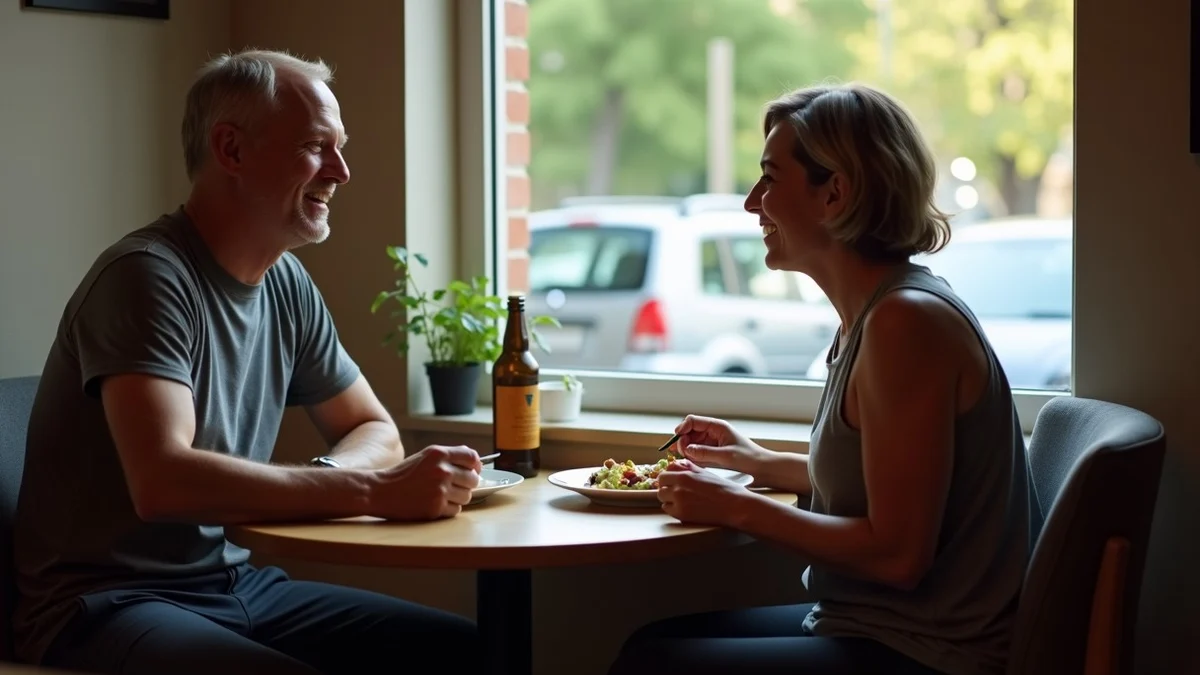
Early training sessions, recovery days, and event weekends put real limits on early dating plans. Fitness singles date well when they look for respect around routines, flexibility with time, and interest in each other beyond exercise. Matching workout intensity is a minor detail beside kindness, shared priorities, and the ability to enjoy an ordinary evening together.
Published by Datewise Guide
Fitness interests can support connection without defining the whole profile

Put fitness in proportion. A profile filled only with gym mirrors, race medals, and calorie talk reads like an audition, even when that is not the intent. Name an activity you genuinely enjoy, how it fits into your week, and two or three interests that have nothing to do with training: cooking, books, concerts, dogs, volunteering, or a favorite kind of weekend outing.
Describe the experience, not the body standard. Weekend hikes, lifting after work, pickup tennis, or a quiet morning walk all say something useful about your life. Claims about needing someone who stays in shape, earns dessert, or has no excuses turn a personal interest into appearance pressure.
A mismatch usually appears in expectations about time, effort, or appearance
Different activity levels are ordinary. One person may train before work most weekdays while another prefers a long walk and a casual class on weekends; that gap matters only when one person expects participation, praise, or scheduling sacrifices from the other. Competitive goals introduce firmer constraints, including travel, fatigue, and protected training blocks. Social habits matter too: someone who enjoys lingering over dinner may fit poorly with a date who treats every meal, late night, or rest day as a failure of discipline. Body-focused comments deserve a clearer response. Remarks about weight, food, aging, clothing size, or what someone should do with their body signal poor boundaries, not admirable dedication. Compatibility includes respect for private goals and a life that does not require constant performance.
When two routines compete for the same evenings
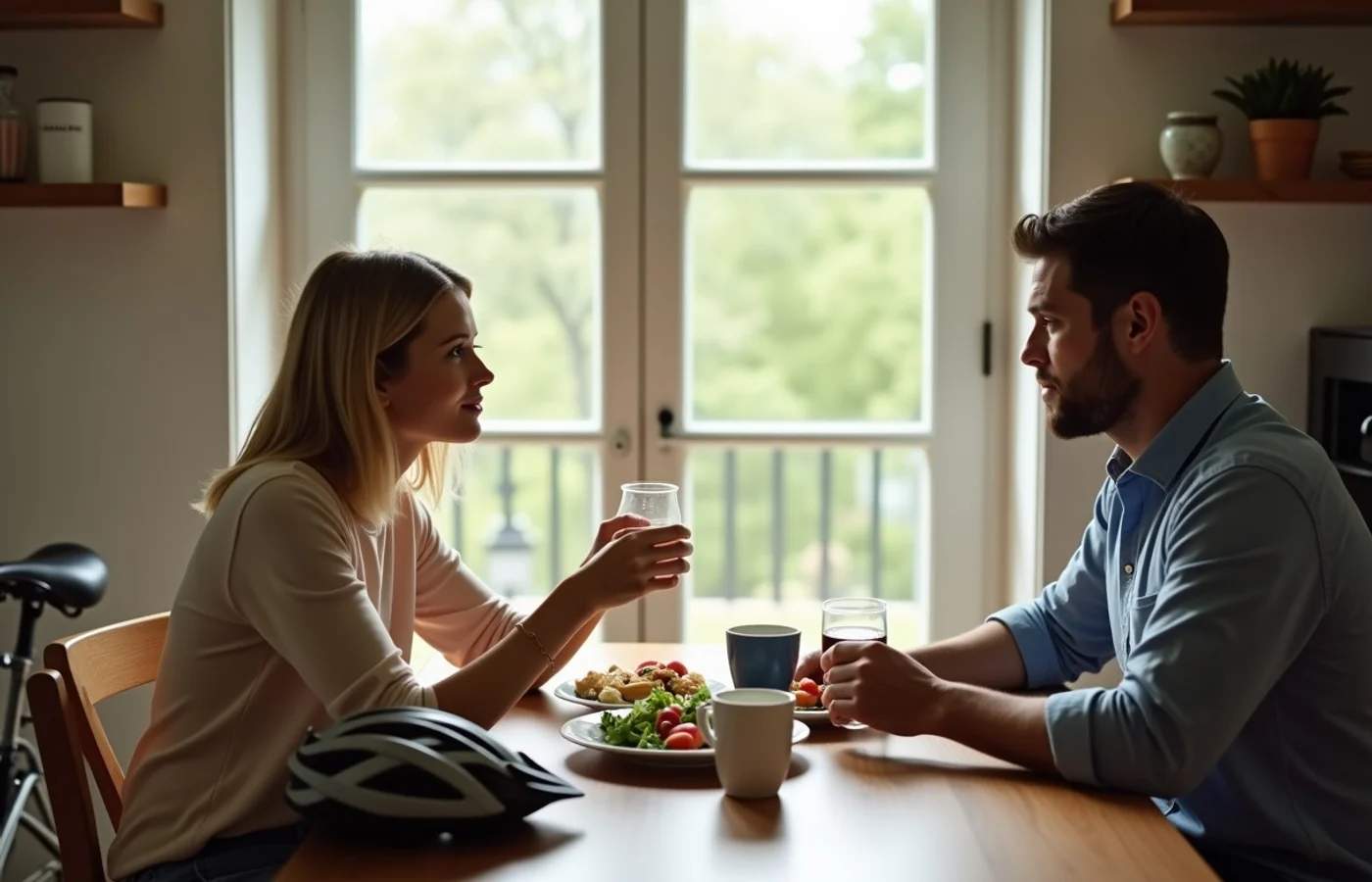
Early on, exchange actual calendar facts: fixed workout nights, recovery time after demanding sessions, regular travel, and the evenings left open for dating. That is more useful than promising to fit everything in and discovering that neither person has an available Saturday.
Suppose one person reserves Sunday mornings for a long ride and the other works late on weekdays. A Saturday lunch or a low-key Sunday afternoon may serve the connection better than repeatedly forcing a late night. Trying each other’s activity should remain an invitation, never a test of commitment.
Conversation prompts and profile cues
Profile cues work best when they give a practical picture of your routine. Mention that you enjoy climbing a few evenings a week, take long walks to reset after work, or train for events while still making time for restaurants and museums. Include one non-fitness photo and interests that supply a different kind of conversation.
In an early conversation, ask what a typical week looks like, which commitments are fixed, what they enjoy on rest days, and whether they like sharing activities with a partner. Ask what motivates their routine: stress relief, community, competition, time outdoors, or simple enjoyment. Their answer reveals far more than a personal record.
Fitness goals deserve the same courtesy as work goals or family obligations. Discuss them when relevant, but do not ask for weight, measurements, eating rules, or progress photos. Someone who talks about their routine without grading yours is offering the right kind of compatibility.
Exercise can be a genuine point of connection, but it should leave room for meals, plans, downtime, and separate interests. The better match respects your routine without treating your body or schedule as a project.