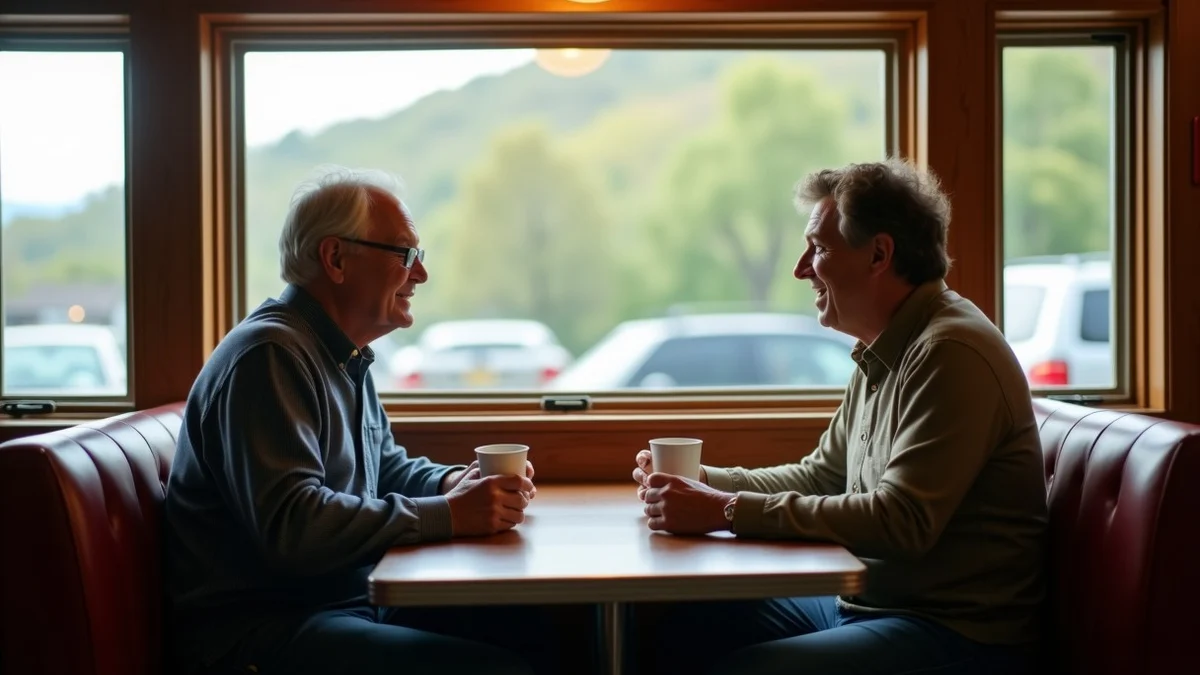
Select a dating app based on the distance you will travel, the quality of nearby profiles, and the control you retain over contact and spending. For dating apps in West Virginia, a broad statewide search often creates a feed that looks fuller than it feels in day-to-day dating. Begin with local reach around your own routine, then expand only when a regional connection suits your schedule.
Published by Datewise Guide
West Virginia dating apps vary sharply by geography
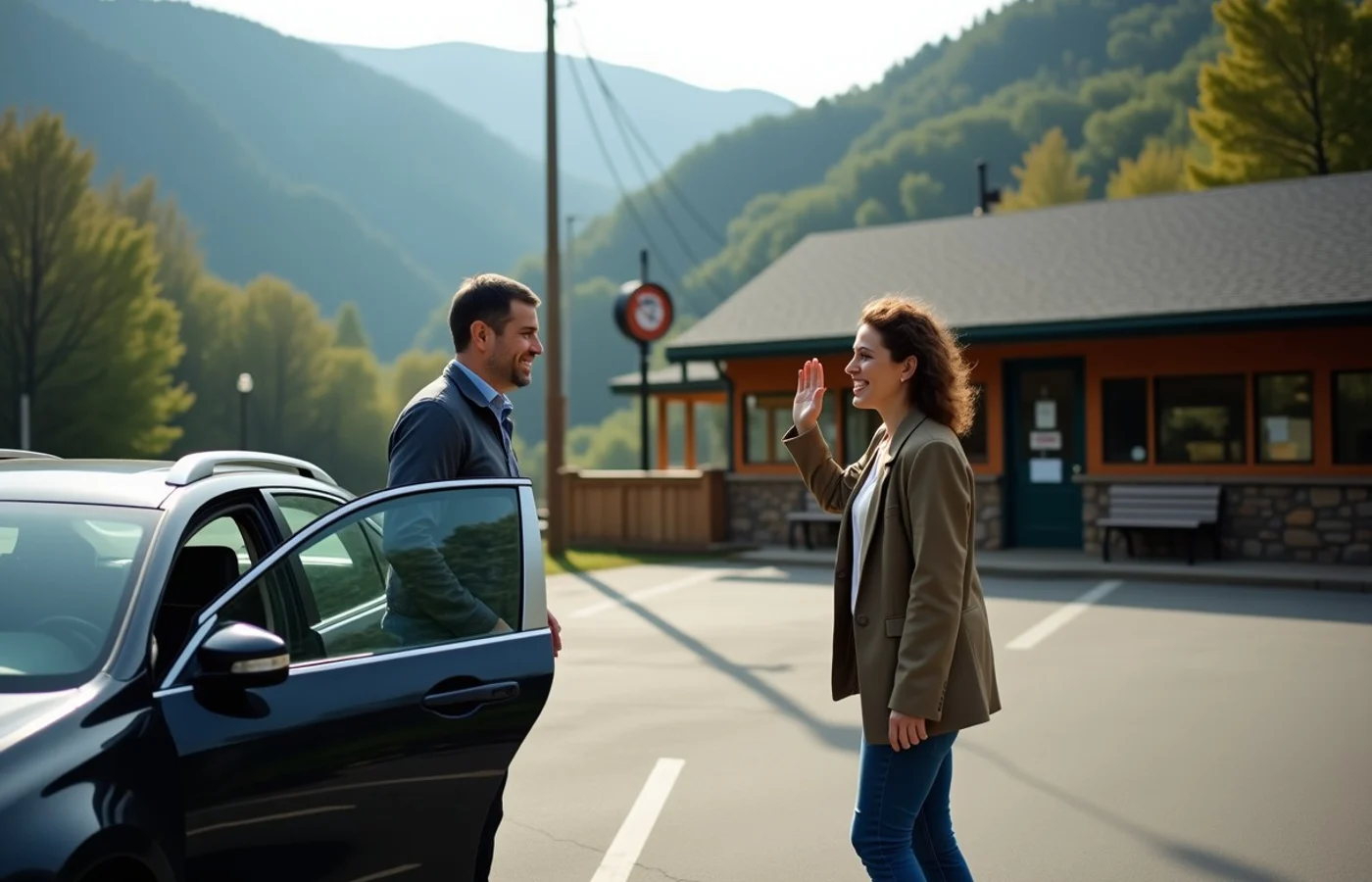
An app's local reach is not a statewide promise. Charleston and Morgantown offer different dating pools from the smaller towns and rural communities between them, and the distance setting on a screen rarely captures the full trip. A profile listed 45 miles away may sit across a route that takes far longer than the number suggests. In West Virginia, mountain roads, river crossings, and limited direct routes turn map distance into a poor measure of date-night logistics.
Set the first search radius around places you can reach without sacrificing an entire evening or a weekend day. For someone near a state border, that service area may naturally include nearby parts of Ohio, Pennsylvania, Maryland, Virginia, or Kentucky. That wider regional pool has value when both people accept the travel involved. It has little value when profiles appear nearby on a map but neither person has reason to cross the border regularly. Put your home area and a broad regional reference in your profile if the app allows it; exact address-level location belongs nowhere on a dating profile.
A sparse result set needs interpretation
A short list alone cannot show that an app lacks local members. Loosen one filter at a time: age range, distance, relationship intent, and any identity or lifestyle preference. That shows which setting is cutting down the feed. Then look past profile photos. Completed bios, current prompts, clear location information, and an app's recent-activity indicator point to accounts worth your attention. An activity label is one sign, not a guarantee; a detailed profile that states a compatible intention tells you more than a bare account marked as recently online.
When a match requires a longer drive
A longer-distance match is a regional connection, not a casual local option. Measure the route in travel time, consider who can meet on weeknights, and ask yourself whether meeting halfway leaves either person with an impractical return trip. A video call before a substantial drive establishes basic conversational fit without asking either person to invest hours on the road.
For a first in-person meeting, meet in a public place that both people can reach comfortably and settle the travel expectation early. One person repeatedly carrying the drive turns a promising match into a scheduling burden. A shared willingness to alternate trips, meet near a common corridor, or reserve longer meetings for days when travel makes sense gives the connection a fairer footing.
Local discovery and statewide scale
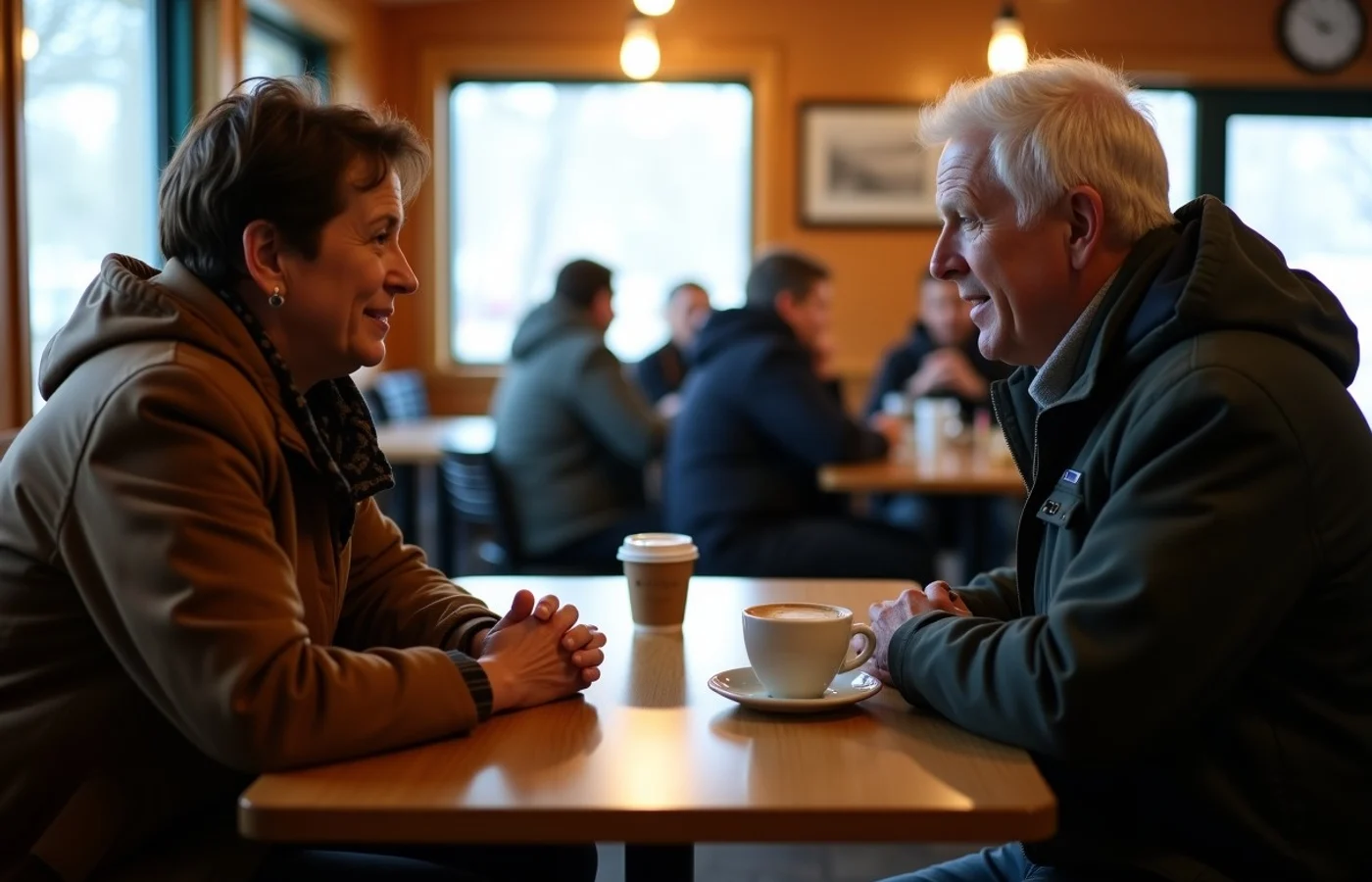
Location-focused apps put nearby profiles first and suit people whose dating life needs to stay close to home. Their weakness is a thinner feed outside larger population centers. Broad national platforms usually offer more profiles across West Virginia and nearby states, but their larger pool demands firmer distance and intent filters. More names on screen do not solve a travel problem.
Identity- or interest-based services add context around faith, LGBTQ+ community, fitness, or other shared priorities. That context matters when it reflects a non-negotiable part of your life. It cannot create local member density. Compare those services on the same basics as any other app: how precisely you can set location, who can contact you, whether blocking and reporting are easy to find, and whether nearby profiles show enough detail to support an informed choice.
What does the subscription actually unlock?
Read the payment screen as a list of functions, not a promise of better matches. Check whether a subscription unlocks messages, shows who liked you, expands location or intent filters, removes limits, or sells temporary visibility boosts. A boost changes how widely your profile is shown; it cannot improve the nearby pool or settle compatibility.
Before paying, locate the renewal terms and the cancellation route. Also read the account and data-use settings for profile visibility, location sharing, contact permissions, and deletion. Free access is enough to judge whether the app has people within your service area and whether its messaging rules permit a normal conversation. Paying before that check is usually money spent on uncertainty.
A wider radius is not automatically a better search
A much wider radius produces more profiles, along with more trips that never become dates. It also weakens local relevance: someone several counties away may have no interest in meeting near you, even when their profile falls inside the setting. Scheduling slows when every meeting requires coordination around a long drive.
In West Virginia, use travel time as your limit. Expand the radius after you have exhausted the people within a trip you would make on a normal week, then state your regional range plainly. Farther-away profiles also require clearer confirmation of where someone spends time and whether an in-person meeting can happen before either person travels.
Before you move on
Should I list my exact West Virginia town on a dating profile?
Use a city, region, or nearby metro reference that helps compatible people understand your general area. Leave out your street, workplace, regular gym, and routine locations until trust has been established.
Does a profile verification badge establish that someone is safe to meet?
No. A badge reflects a platform process, not a complete account of a person's intentions or conduct. Continue to use in-app blocking and reporting tools when needed, and meet in a public setting after enough conversation to assess basic compatibility.
How long should I use the free version before subscribing?
Use it long enough to see the nearby feed, test the filters, and understand what messaging limits actually prevent. A paid tier does not repair an empty local pool or turn distant profiles into nearby dates.
The strongest app choice is the one that reflects your actual map of life: where you spend time, how far you travel, and what contact rules you expect. A smaller, well-filtered local pool often serves West Virginia daters better than a crowded feed full of impractical distance.