
Tucson’s spread matters: a narrow search radius can leave too few nearby matches, while a broad one can turn a local search into a long-distance project. Catholic singles in Tucson can compare a Catholic-focused service such as CatholicMatch with broader apps such as Hinge and Bumble by checking faith and relationship fields, search-radius controls, profile and messaging exposure, and identity or photo-verification features together. An app’s name alone cannot establish safety. Ask whether its current settings let you limit what strangers see, screen intentions, and end unwanted contact. Serious dating also calls for a way to state faith preferences and whether you seek marriage, companionship, or another kind of relationship.
Published by Datewise Guide
Faith alignment is only one part of a useful app evaluation
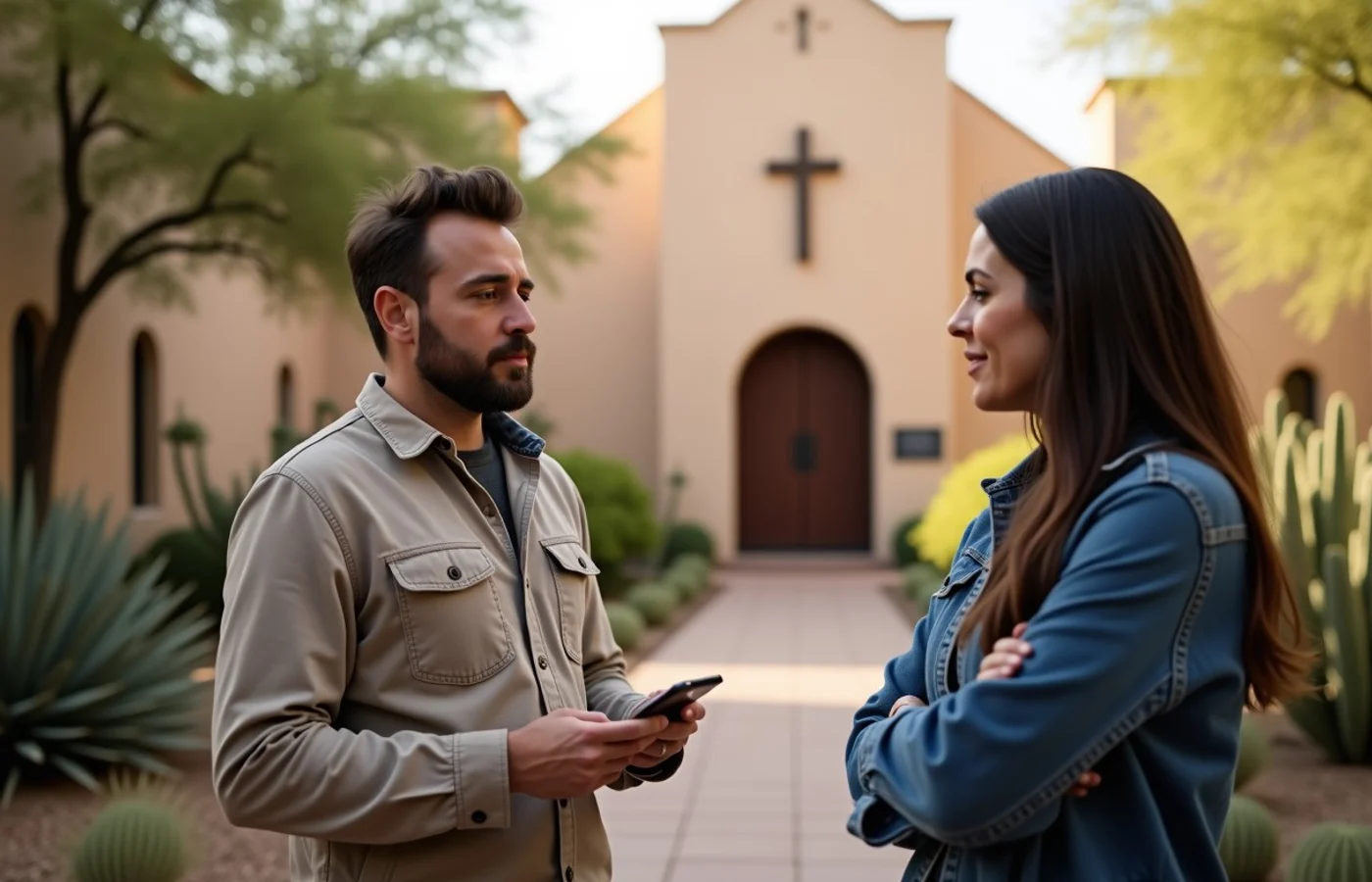
CatholicMatch is oriented toward Catholic singles, so its basic audience fit starts closer to the question many Catholic daters actually need answered: does this person share, or at least understand, the role faith plays in a relationship? That orientation still doesn’t settle compatibility. Check whether a service lets members describe denomination, level of religious practice, views on marriage, children, and relationship intentions as separate pieces of information. A Catholic label alone says little about how someone dates or what commitment means to them.
The comparison shifts on a broader app such as Hinge or Bumble. A larger audience can include Catholic members, but you will spend more time reading profiles for clues about faith, seriousness, and personal limits. Check the app’s profile prompts, search filters, and messaging settings before paying for extra reach. The strongest option combines four answers: Catholic preferences can be stated, intentions are plain, Tucson-area discovery can be adjusted, and personal information remains under your control. Each feature serves a separate purpose.
When Tucson distance changes the value of a matching pool
A Tucson search radius should reflect your actual travel tolerance, not an abstract desire for more profiles. Someone based in central Tucson who is comfortable meeting in Oro Valley or Marana needs a wider setting than someone who wants an easy first meeting close to home. A narrow radius produces a smaller list with less driving; a broad radius brings more possibilities but adds travel time, scheduling friction, and the need to discuss location earlier.
Test the radius in stages and note what changes as it expands. A hypothetical search beginning within Tucson and then including Oro Valley or Marana may show whether added profiles are well suited or simply farther away. Check whether the app separates distance from other filters, allows a maximum range, and shows current location clearly enough to guide your choice. For Tucson dating, the best pool matches both your faith preferences and the distance you will consistently travel for a first meeting and future dates.
Profile, messaging, and verification controls

Before filling in a detailed profile, check whether the app offers profile-exposure controls, editable location details, and a way to limit what strangers see. Look for block and report tools on profile and message screens, plus message permissions that control who can contact you. Check for photo verification, age or identity checks, and other account details; a badge is a limited piece of information, not a guarantee of character or intentions. Hinge also publishes safety guidance, giving users a platform-specific place to understand its stated safety resources. For a serious threat in Tucson, contact the Tucson Police Department through the appropriate emergency or non-emergency channel.
A faith-focused app can offer depth instead of sheer volume
A faith-focused service such as CatholicMatch may cut the time spent sorting for basic religious compatibility because Catholic identity is central to its stated audience. That narrower pool still calls for screening around relationship intentions, local distance, communication style, and personal limits. A broader service such as Hinge or Bumble presents a different trade-off: more varied profiles, but more work to identify people who share your faith priorities and want a serious relationship.
Free and paid access affects this comparison through the controls each app places behind its plans. Check whether the free version includes the search radius, faith-related fields, messaging access, profile-exposure choices, and blocking or reporting tools you need. Then inspect what a subscription adds, such as more filtering or discovery options, without assuming extra access improves match quality. Compare CatholicMatch, Hinge, and Bumble through those feature limits in Tucson; pick the service whose controls cut screening work without asking you to disclose more than you are ready to share.
In Tucson, the strongest shortlist pairs plain Catholic and relationship-intent information with control over distance, profile exposure, and contact. Pick the app whose settings match your personal limits, then check its free and paid limits before building a detailed profile.
Useful official links
- CatholicMatch — official information — CatholicMatch
- Hinge — official information — Hinge
- Hinge — official information — Hinge
- Bumble — official information — Bumble
- City of Tucson — official information — City of Tucson
- Federal Trade Commission — official information — Federal Trade Commission