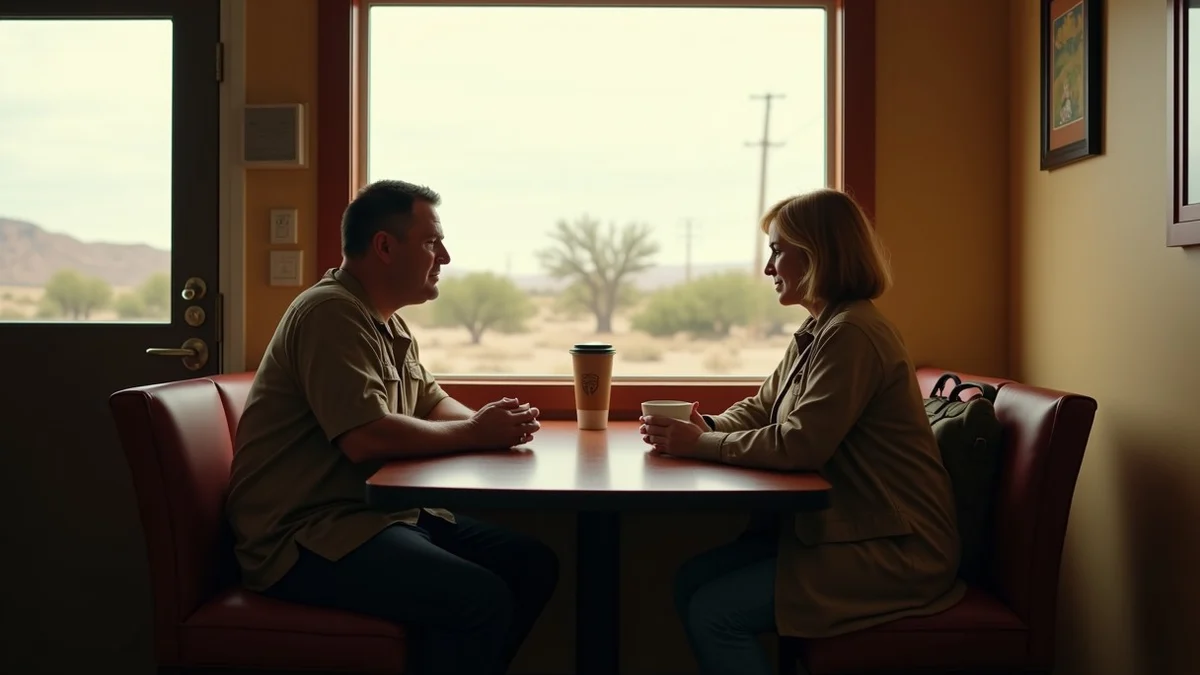
El Paso dating often crosses a hard logistical line: service schedules around Fort Bliss can shift faster than a new connection develops. Military singles find better matches by stating their current availability, travel range, and relationship intentions early, then looking for people who respond to those facts without turning service into a status symbol or a stereotype.
Published by Datewise Guide
Service schedules make availability part of compatibility
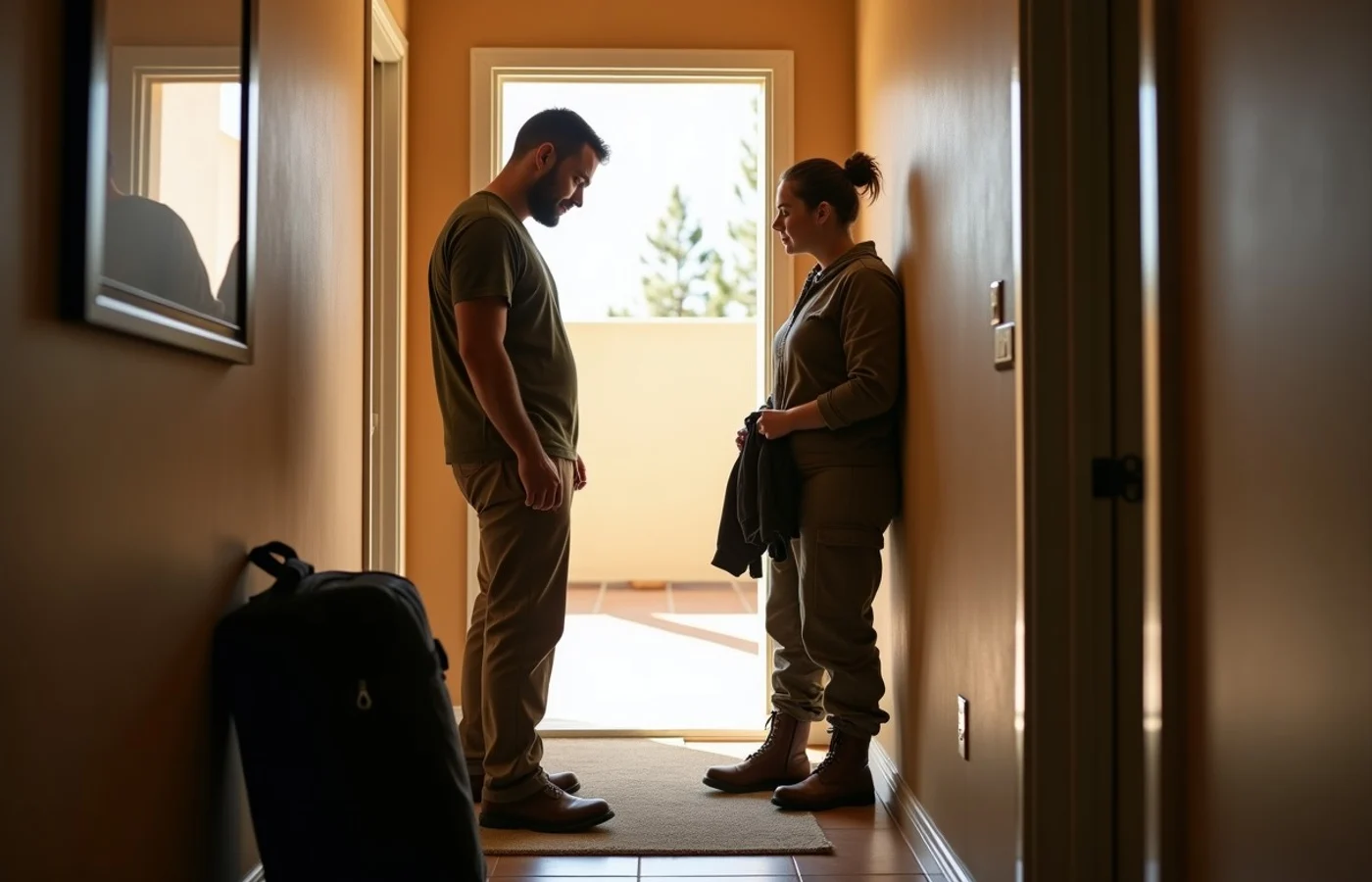
Duty rotations, training, leave, relocation, and sudden schedule changes shape the basic rhythm of a relationship. Treat them as logistics from the start. A person who wants frequent spontaneous dates needs to know that a weeknight plan may disappear; a person with limited free time needs someone who will set a date with a clear window and accept a reschedule without drama. Future orders or a possible move should not be sold as a settled calendar. State what is known now, what remains uncertain, and what kind of connection you are pursuing through that uncertainty.
A compatible El Paso search depends on honest timing signals
Set an El Paso search radius around trips you will genuinely make after work or on a short free weekend. That calculation should account for where you live, time connected to Fort Bliss, and the distance to a first meeting downtown or elsewhere in the city. A broad radius chosen in hope produces conversations that collapse once the actual drive and limited time enter the picture.
Availability does not require sensitive work information. It does require a usable answer: which days are generally open, how far ahead dates need to be arranged, and what happens when work changes the plan. Someone who repeatedly says they are busy but never offers an alternate window is unavailable for dating right now, whatever the reason.
Relocation language deserves the same directness. Discuss how long each person expects to stay in the El Paso area and whether a move would mean long-distance dating, a pause, or an ending. Interest shows up in concrete scheduling and a willingness to address that question, not in fascination with military life.
When should service details enter the conversation?
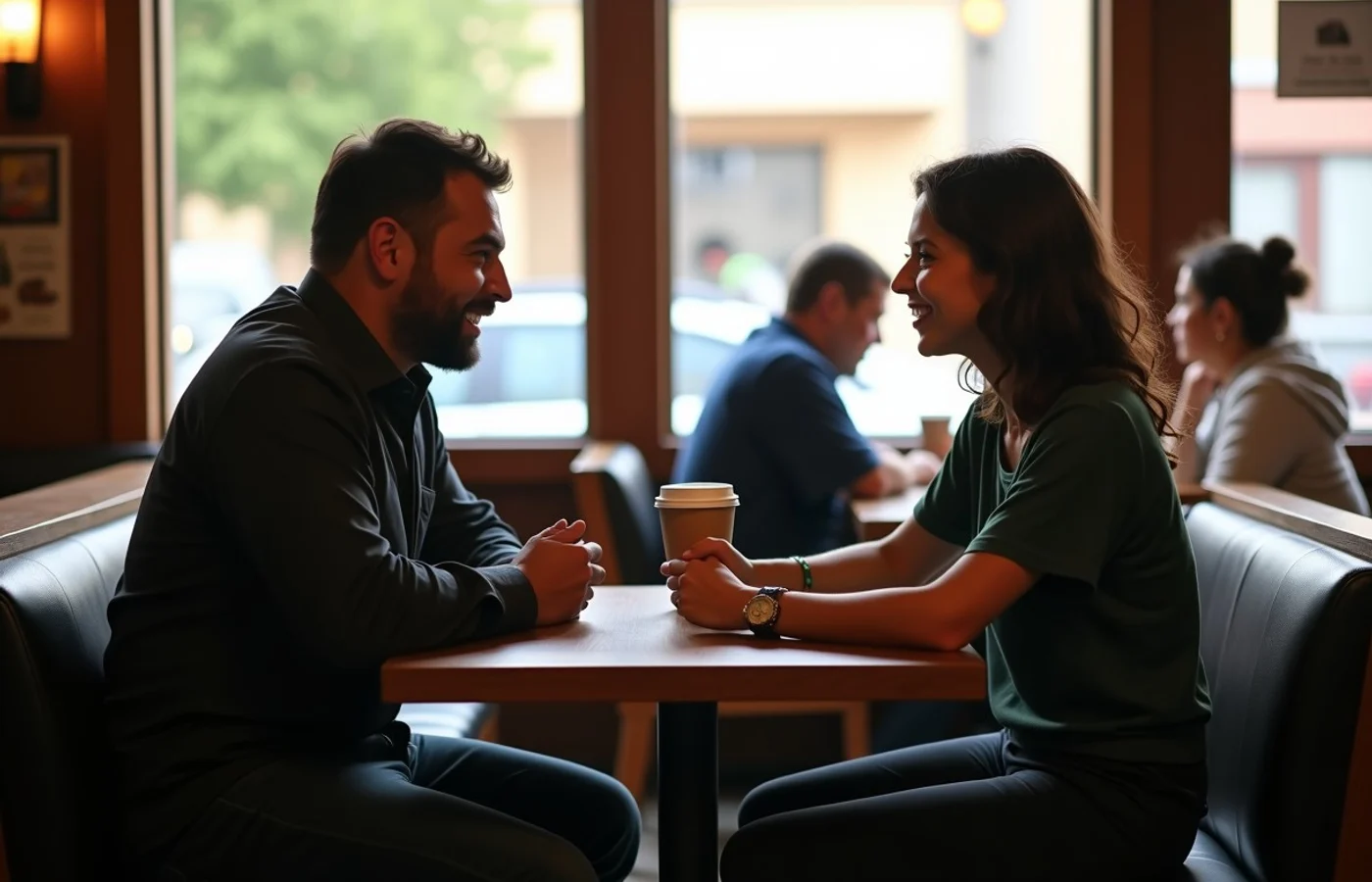
Put the broad fact of military service or military affiliation in a profile only when it helps screen for schedule fit. Early conversation can cover your usual communication rhythm, current city, and limited availability. After mutual interest develops, share any known transition that would materially affect dating, such as a likely relocation or an extended period away. Leave exact work routines, identifying service details, and precise future movements out of a dating profile. That sequence protects personal information while preventing a match from assuming you are locally available for a relationship you cannot sustain.
Availability, distance, and commitment expectations belong in the profile
Profile wording can state that you are based in El Paso, have a shifting work schedule, and prefer dates arranged several days ahead. It can also identify a communication preference, such as checking in consistently when work permits, without promising constant replies.
Name your geographic limit plainly: open to meeting people in El Paso, open to a defined distance, or interested only in people prepared for a future long-distance conversation. Finish with the relationship direction you mean—casual dating, a committed relationship, or a connection that develops steadily around an unpredictable calendar.
A schedule conflict is manageable when both people name it plainly and make dates around what is actually available. In El Paso, the strongest early filter is simple: seek someone who respects changing service demands while still treating time together as a commitment.
Useful official links
- City of El Paso — official information — City of El Paso
- U.S. Army Fort Bliss — official information — U.S. Army Fort Bliss
- City of El Paso Police Department — official information — City of El Paso Police Department