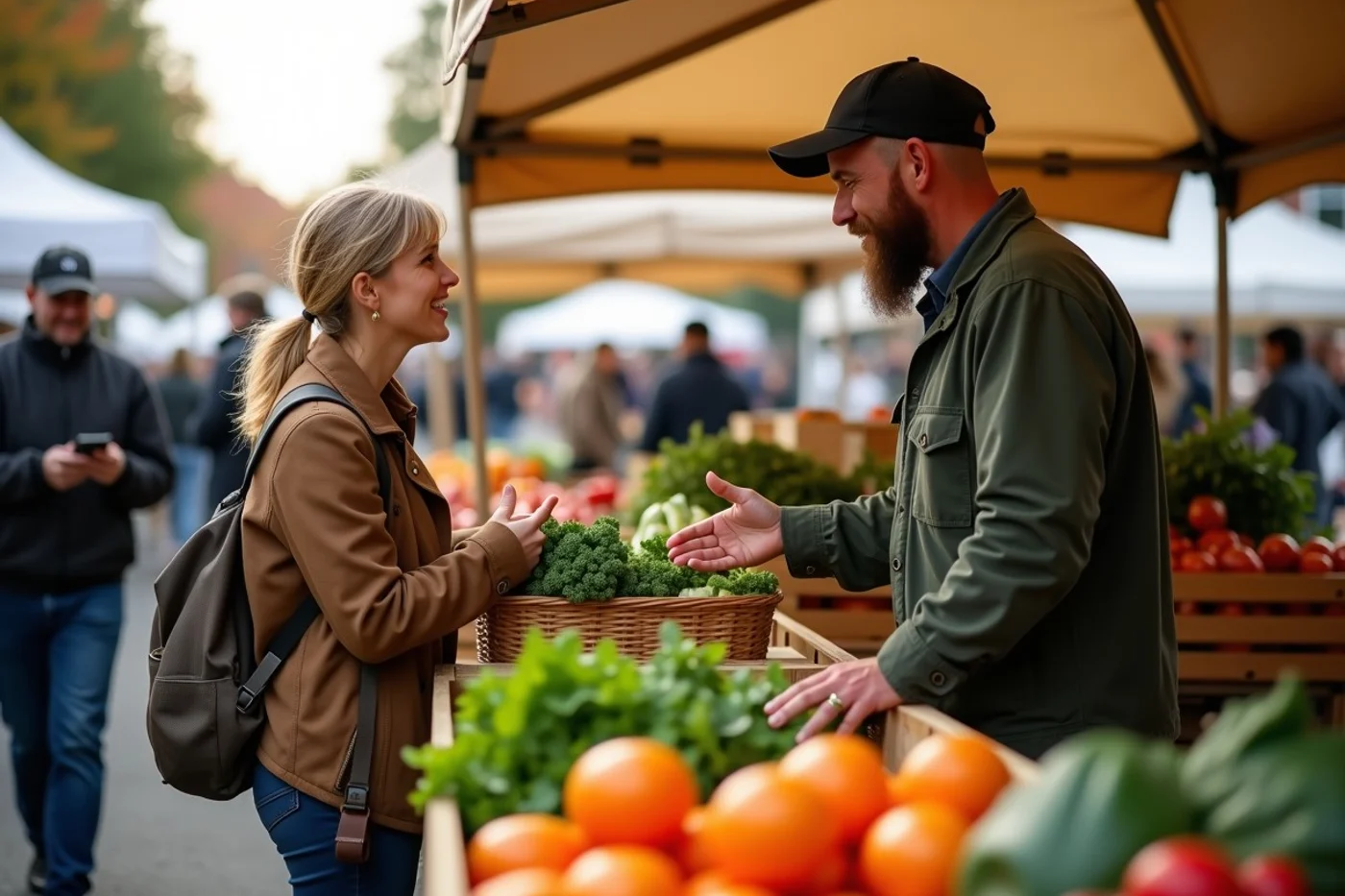
Durham’s route to meeting farmers runs through its food network and nearby agricultural communities, not through treating farm work as a dating theme. Start with farmers markets, community gardens, food-access programs, agricultural workshops, and seasonal events where people return for a real activity. These settings won’t identify who is single, but they create better openings than approaching someone solely because of an occupation.
Published by Datewise Guide
Durham’s food and agriculture network creates recurring points of contact
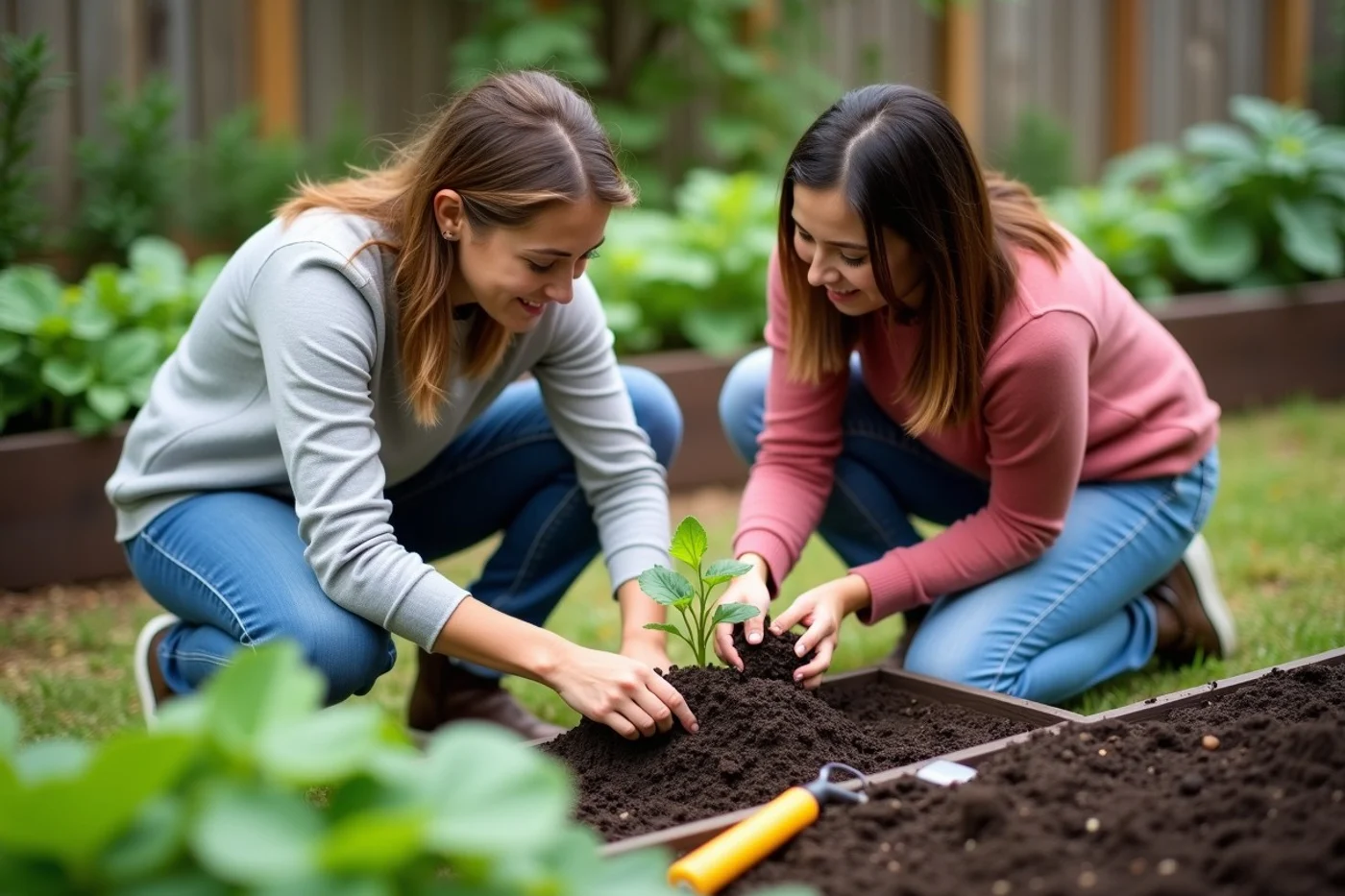
In Durham, farmers may appear at public markets, farm stands, community-supported agriculture pickup sites, gardening projects, food-education programs, and seasonal harvest gatherings. Workshops focused on soil, planting, preserving, cooking, or land stewardship also bring together people connected to agriculture. Food pantries and community food programs sometimes involve growers alongside organizers and volunteers. These are community settings first, not singles events. Their value comes from repeated contact around a shared task, with enough time to learn whether conversation feels welcome.
A shared activity is a better introduction than a farming stereotype
Showing up because you care about local food, gardening, land, or sustainability gives the conversation an honest starting point. You can ask how a workshop works, compare planting methods, or talk about a product at a market without assuming that every farmer lives an isolated or rustic life.
That distinction matters in Durham, where someone connected to agriculture may also work another job, run a family operation, sell through several channels, or focus on a narrow part of the food system. Treating farm work as a curiosity turns the person into a story. Taking part in the activity leaves room for the person’s wider interests to emerge.
Farmers markets, workshops, and seasonal events
Farmers markets offer the easiest opening because products give you an immediate subject. Conversation stays brief when a vendor is serving customers, but returning on another market day creates familiarity without requiring a personal approach on the first visit. The setting is strongest for learning whether someone welcomes conversation, not for assuming romantic interest.
Agricultural and gardening workshops provide more structure. Participants already share a task, so questions about the lesson or materials feel natural. They also tend to produce longer conversations than a busy market, although the group may include gardeners, educators, volunteers, and food enthusiasts rather than working farmers.
Seasonal events and farm-based gatherings connect people to planting, harvest, cooking, preservation, or land care. They offer a wider social mix and often give you time to talk while doing something. The trade-off is timing: farm work follows seasons, daylight, weather, and market commitments. In the Durham area, someone willing to travel beyond the city should also account for the return trip and for events held outside central neighborhoods. Pick the setting that matches your genuine interest and the amount of conversation the activity allows.
When the conversation turns to work and land
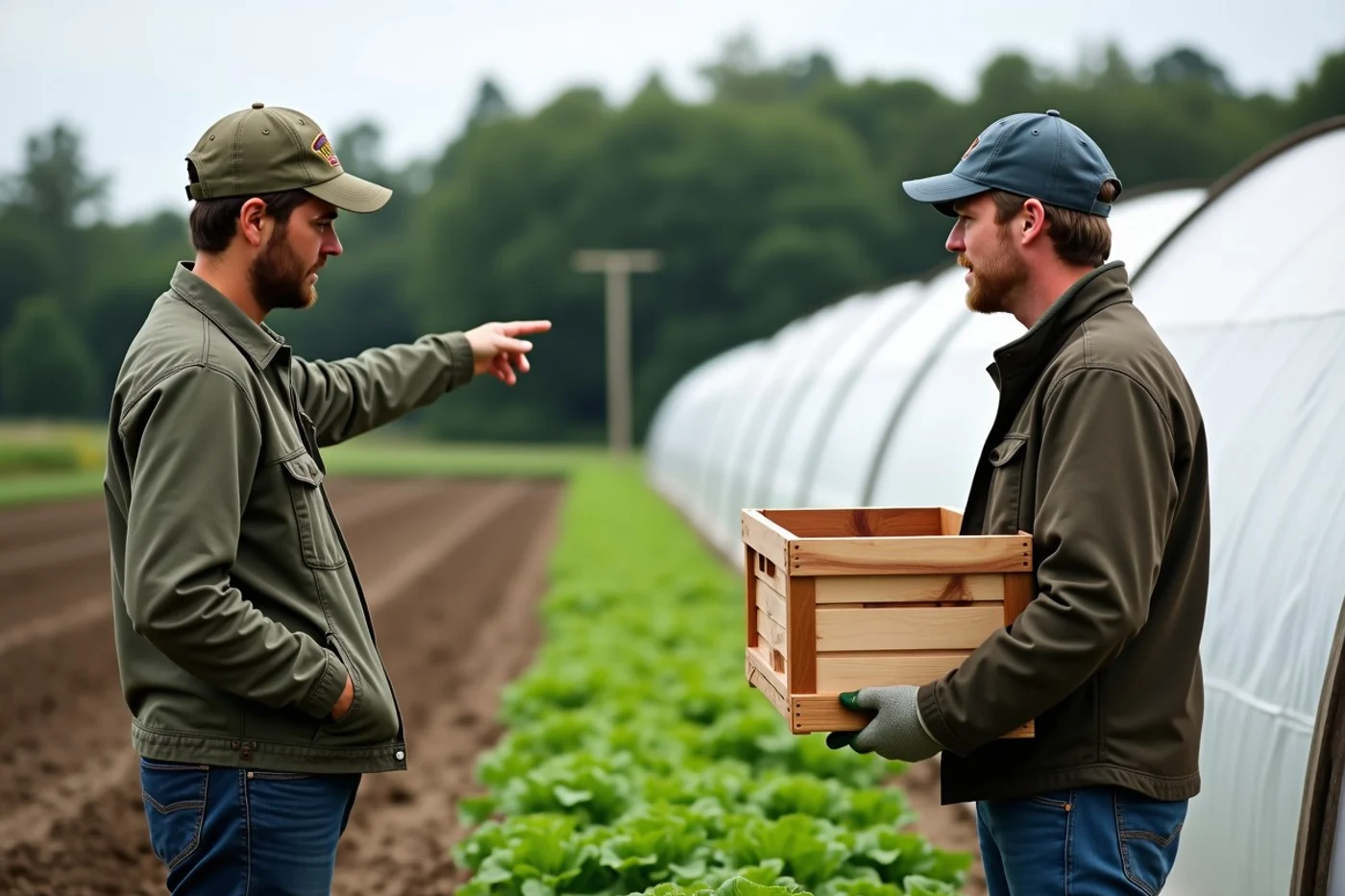
Respectful questions stay close to the person’s own work: Which crops take the most attention this season? How do you decide what reaches the market? What part of the work do you enjoy most? Questions about equipment, selling channels, seasonal rhythms, and time demands show interest without pretending to understand farm life already.
Avoid treating land ownership, income, family history, or workload as public trivia. Asking whether someone owns a farm, how much money the operation makes, or whether they can leave during a busy season moves too quickly into private territory. Let the person decide how much detail belongs in a first conversation.
Could an online profile complement local participation?
Yes, when the profile describes your own connection to food, gardening, animals, land, or seasonal work rather than announcing a search for a farmer as a lifestyle accessory. Mention the activities you actually do and the travel range that fits your life in Durham. A profile built around farm imagery, guessed assumptions, or romanticized rural life attracts an image instead of a person.
Approach people as community members first
Participate in the market, workshop, or volunteer task before starting a personal conversation. When someone is serving customers, handling equipment, or managing a time-sensitive job, don’t interrupt for dating purposes. Ask whether they have a moment to continue when the activity allows it; if they decline, return to the event and leave the interaction there. A genuine contribution to the Durham food community should stand on its own, even when no romantic connection follows.
Signs that interest is mutual rather than merely polite
Friendliness at a market is often part of the work, so stronger signs include the person asking questions about you, continuing the conversation after the task ends, offering contact details without being pushed, or suggesting another event or meeting. A short answer followed by attention to customers is simply a short answer. Mutual interest shows through voluntary continuation, not just a warm sales manner.
Durham offers the best chances to meet farmers through repeated participation in food, gardening, and agricultural communities. Bring a genuine interest, respect the demands of farm work, and let conversation grow from the activity itself. That approach keeps the connection human rather than turning rural life into a dating costume.