
Returning to dating can make every profile sentence feel heavier than it is. Jewish singles seeking a second chance at love benefit from stating the relationship they welcome now, describing their connection to Jewish life plainly, and keeping divorce or bereavement in proportion until trust develops. Focus on the present. Let history provide context, not the headline.
Published by Datewise Guide
A second chance can mean rebuilding trust, companionship, or commitment
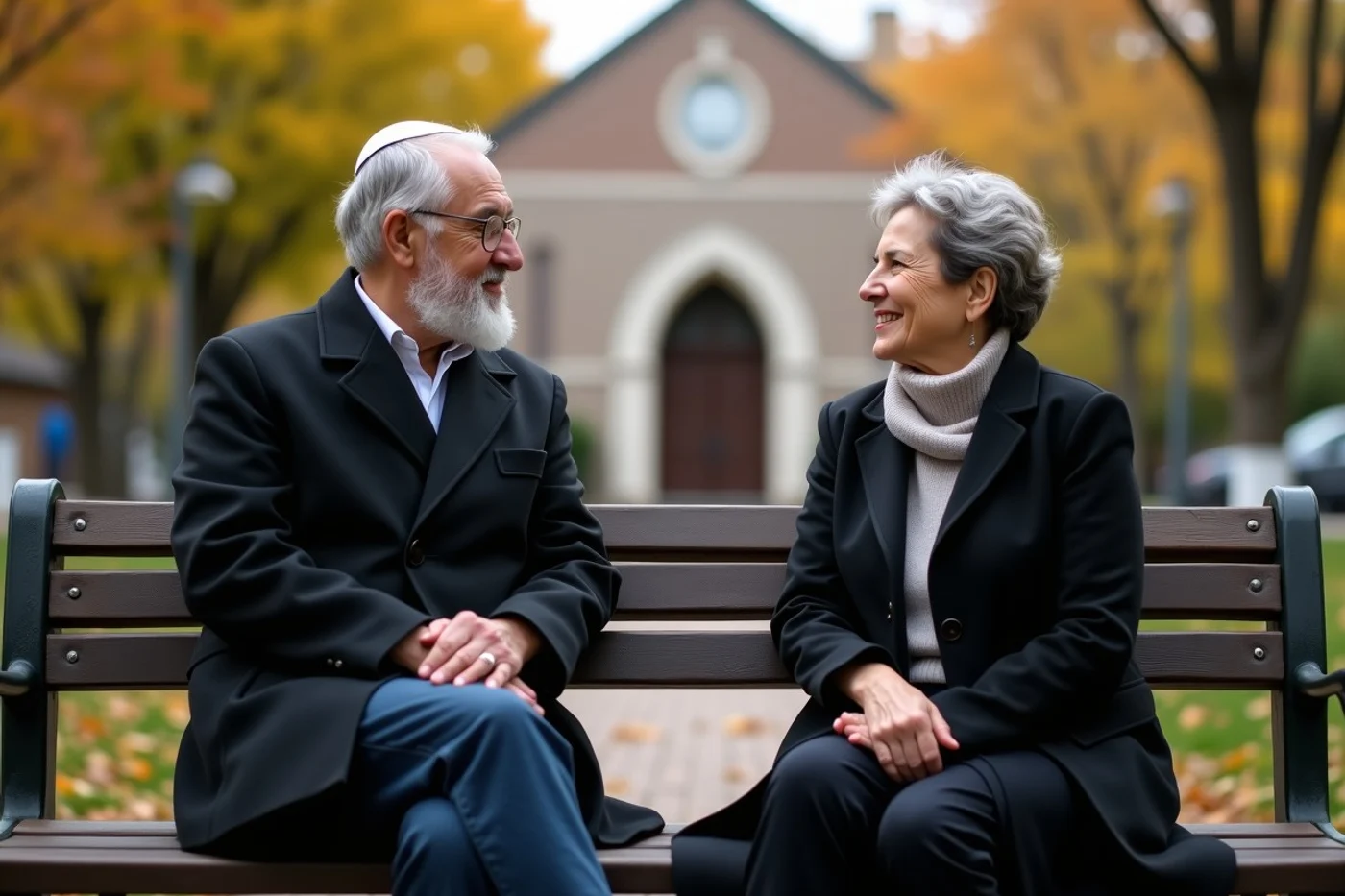
A second chance carries several honest meanings. After a divorce, rebuilding trust may stand ahead of any talk of remarriage. After bereavement, companionship may be the immediate hope, with a serious partnership welcome as it develops. Someone else may feel fully ready for committed love, shared holidays, and a future that includes family. These are different invitations, and they draw different matches.
Name the invitation before editing a profile. Broad labels such as serious or open-ended say little when the actual preference is a slower exclusive connection, companionship with a real prospect of commitment, or dating that is clearly headed toward partnership. No category earns extra points for nobility. Clear direction saves both people from trying to decode hope from a vague bio.
Jewish identity has cultural, spiritual, and family dimensions
Jewish identity often involves more than a denomination or a checkbox. A profile can name what is lived: synagogue attendance, Shabbat meals, holiday gatherings, Jewish learning, cultural events, volunteer work, food traditions, or close ties with Jewish family. Mention the parts that affect shared time, social life, or a hoped-for partner's participation.
Observance spans a wide range, and no one needs to defend where they fall. The key is how it shapes a relationship. Someone who plans around Jewish holidays or wants a partner at family celebrations should say so. Someone whose connection is cultural, inherited, or community-based can say that just as plainly. People open to interfaith dating should show consideration for these commitments, not offer a vague claim of openness; those seeking a Jewish partner can state that limit courteously to avoid false starts.
Past relationships should inform the profile without taking it over
Relationship history belongs in a profile only at the level needed to set expectations. Saying you are divorced, widowed, or returning after a long relationship establishes basic context. Pair it with a present fact: you have made time to date, value steadiness, or seek a lasting connection. That is enough for an introduction.
Details about legal conflict, the circumstances of a death, betrayal, or a former spouse's failings belong later, if they belong at all. Comparisons are worse: they turn a new person into a correction for someone they have never met. Keep the profile pointed at your current life, not the case you would make about the old one.
When a new connection meets an unfinished chapter
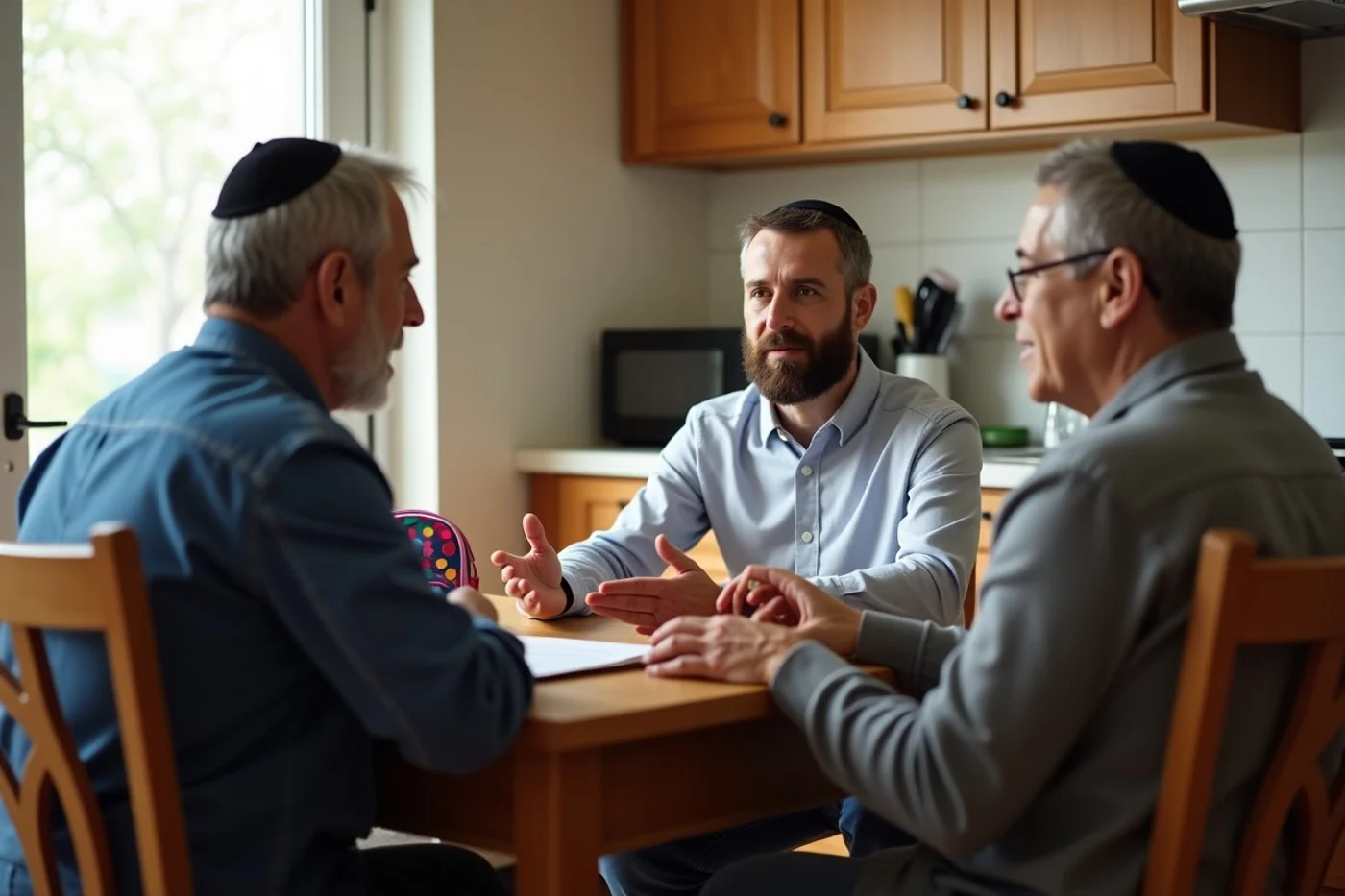
Some chapters remain active after the dating profile goes live. A divorce may still involve co-parenting or financial logistics; bereavement may make anniversaries and family occasions tender. Emotional readiness means recognizing those realities without asking a new match to absorb their full weight.
Honesty covers the impact, not every private detail. When a past obligation affects pace, scheduling, or the kind of commitment you offer now, say that early enough for the other person to respond freely. Personal history remains yours to disclose in depth on your own timetable.
Which questions reveal present compatibility?
Early conversation can move from daily life to future expectations. Ask how Jewish life appears in a typical week, which holidays or customs shape plans, and whether community participation matters to them. Then discuss family realities: adult children, aging parents, frequent holiday travel, and how involved a future partner might be. Covering one subject at a time keeps the exchange human. Early dates are not intake forms.
Use the same tone for relationship questions. Ask what returning to dating means to them now, what pace feels right, and whether they see themselves building toward a committed partnership. Give your own answer after asking so the conversation does not feel like an interrogation. A thoughtful but private response should be accepted. More detail can come after interest and trust grow on both sides.
Compatibility often appears in logistics as much as sentiment. Someone expecting every major holiday with family and someone hoping to travel together on those dates need to discuss the calendar before the mismatch becomes emotional. Date two is too early to negotiate a lifetime. It is early enough to learn which parts of Jewish and family life each expects to be central.
Rewrite the profile around the life you are building now
Rewrite a profile by listing four current facts before writing a polished sentence: the activities in a typical week, the form Jewish connection takes in your life, the values you want in a relationship, and the relationship direction you seek. Add one detail someone can ask about, such as a holiday meal you enjoy hosting, a museum membership, a neighborhood walk, or a volunteer commitment. Keep it tied to your actual schedule.
Then cut references to being burned, needing someone unlike a former spouse, or proving that love still exists. Those lines hand the past the microphone. A concise profile presents a person with interests, commitments, warmth, and a defined opening for a relationship. Read each sentence for its focus: does it describe the life you live now, or ask a stranger to understand an old wound?
Readiness shows up in consistency more than declarations
Readiness appears in the daily mechanics of dating. Someone follows through on plans, communicates when plans change, takes responsibility for a missed call or lapse in contact, and discusses former relationships without returning every subject to them. They have emotional attention for your news as well as their own history.
Future talk also needs a sensible scale. Discussing a next date, a holiday plan, or the shape of a committed relationship tells you more than grand claims about being ready for love. When someone avoids grounded conversation about time, family, or commitment while demanding emotional intensity, take the mismatch seriously. A new relationship needs more than an inspiring declaration followed by a disappearing act.
A warm profile needn't carry the burden of explaining an entire past. Put your present life in view, name the parts of Jewish connection that matter, and allow history to emerge at the speed trust earns. That filters out mismatched expectations while leaving a new person something far more inviting to meet: you, as you live now.