
Richmond’s military-connected dating search can extend beyond one neighborhood, since adults may be connected to Defense Supply Center Richmond or travel through Fort Gregg-Adams in Prince George County. Compare MilitaryCupid and Uniform Dating for service-aware context, alongside Hinge or Bumble for a wider Richmond-area search. Think of them as a trial lineup, not a league table. See whether each service lets you state relationship intent, set a radius you would travel, avoid sharing your exact location, and keep a conversation going when work plans change. Tinder is an additional reach check when those controls hold up.
Published by Datewise Guide
A Richmond military match may involve changing availability
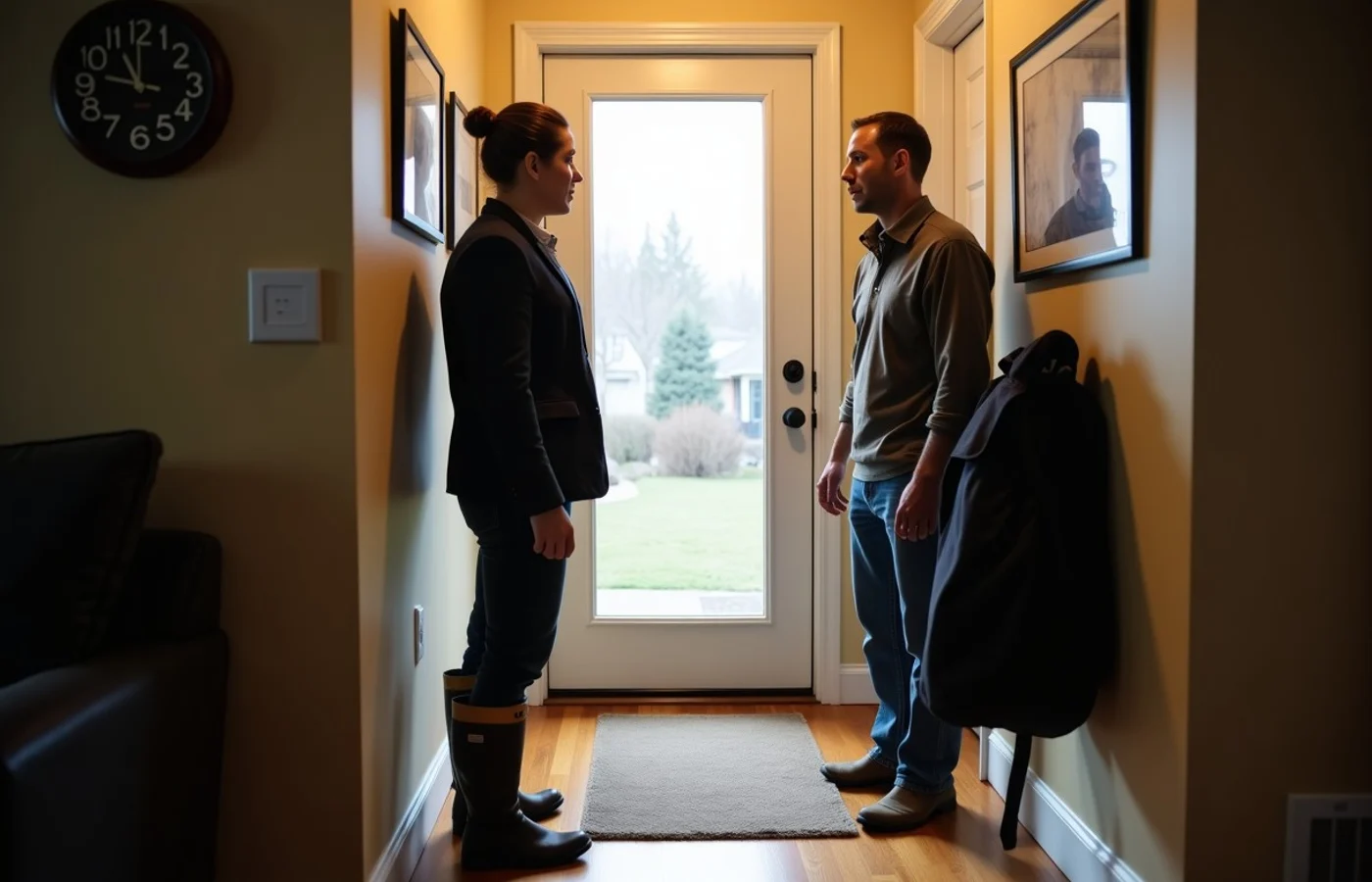
Military dating puts schedules near the center of an early connection. Duty rotations, training blocks, travel, relocation, and deployment affect when someone can talk, how quickly they reply, and what a local relationship may mean six months from now. In the Richmond area, a connection between the city and Fort Gregg-Adams in Prince George County also adds travel time. Reading every delayed reply as lost interest can misread a demanding schedule. Ignoring an erratic calendar can build hopes around time that is not there. The simpler question is whether each person shares enough about their general schedule and expected location to support the relationship they say they want. Consider a hypothetical pair who both want a committed relationship. One expects to remain in the Richmond area and has predictable evenings; the other expects a move and can plan dates only in short windows. Neither situation rules out dating. Their day-to-day fit depends on discussing that difference early, before weeks of messaging create the impression that meeting locally will be easy. A dating app cannot steady a changing calendar, but it should let people describe their dating pace without posting work details.
Service-related identity should remain under the user’s control
Service affiliation can add context to a profile, especially when it explains an unusual schedule or a relocation-conscious approach to dating. You do not need to post a full work biography. Broad occupation language is enough for most profiles; a unit name, exact workplace, daily schedule, travel itinerary, and live location do not belong in public fields. Keep early conversations at the same level of detail. Discuss a move or trip after trust develops, without giving dates or exact locations to a new match. Military status alone cannot establish identity, character, or readiness for a relationship. Confirm it through steady conversation and the app’s account-safety tools.
Which app features expose schedule compatibility?

Schedule compatibility is easier to judge when an app offers a relationship-goal field, enough profile space for a brief schedule note, sensible distance controls, and profile-exposure settings that do not require a public local footprint. During a trial, check whether the profile supports serious-relationship intent and whether its prompts allow a plain description of changing hours. Check the communication path as well: in-app messaging and video-call options let two people build basic rapport before spending scarce free time on a date. Exposure controls matter just as much. A service that shows more location detail than you want to share fails this test, even if its profiles otherwise seem promising. An app earns its place when it brings forward relationship direction, travel distance, timing, and a discreet way to continue the conversation.
Can the app support a relationship across changing locations?
Location settings should reflect where you expect to date, not every temporary stop connected to work or travel. Set a Richmond-centered radius that covers the distance you would travel for an early meeting. A wider radius makes sense when a move, assignment, or regional connection is part of the relationship picture; it creates noise when matches have no viable way to meet. Someone based in Richmond who expects time near Fort Gregg-Adams needs direct answers about where they will be and when they can meet, not a sprawling search map. Video communication helps when an in-person date must wait. Check the app’s current video option, or decide whether you are comfortable moving to another channel after basic trust develops. The goal is not to create a relationship through a screen. It is to keep a promising conversation from being discarded because two calendars miss each other that week. Pause modes and notification settings matter more than extra swiping. A pause option stops a profile from attracting new attention during travel, a demanding work period, or a developing connection. Notification controls keep an app from filling limited off-duty time with interruptions. Review location updates, radius, video, pause, and notification settings before spending heavily on any service. These controls show whether the app suits a mobile life or adds friction.
Military-focused services and general dating apps
MilitaryCupid centers its dating focus on military identity, while Uniform Dating speaks to people in and around uniformed professions. Both merit a trial when service-related timing and relocation need little explanation. The key Richmond question is local reach: apply the same honest radius and relationship framing, then see whether the profiles warrant more attention. Check account-exposure settings and any account-verification description before relying on a profile badge. Bumble, Hinge, and Tinder offer a different comparison because a shared occupation does not shape the match from the outset. State relationship intent and general scheduling constraints in the profile, then judge the quality of local conversations. Shared military experience can help with logistics, yet says little about values, communication habits, or readiness for commitment.
Run a short side-by-side trial before giving any one app your attention. Keep the service that produces direct conversations about schedules, an honest Richmond-area radius, and settings you understand. A military label earns no extra credit when those basics fail.
References
- Uniform Dating — official information — Uniform Dating
- Bumble — official information — Bumble
- Hinge — official information — Hinge
- Tinder — official information — Tinder
- MilitaryCupid — official information — MilitaryCupid
- U.S. Army — official information — U.S. Army